HOLOCAUST REMEMBRANCE - Speech by the Minister of National Unity and Civic Engagement Dr. Bizimana Jean Damascene

HOLOCAUST REMEMBRANCE
Kigali, 27th January 2023
Speech by the Minister of National Unity and Civic Engagement Dr. Bizimana Jean Damascene
Excellencies, Dear Ambassadors of Germany and Israel in the Republic of Rwanda;
Distinguished guests, all protocol observed; Dear participants;
Good morning!
On behalf of the Government of Rwanda, I would like to start by extending my deep solidarity and sympathy to the survivors of the Holocaust, their families, and friends in honor of the victims. The Government of Rwanda stands with you in remembering this horrific event and paying respects to the memory of the victims.
Since November 1, 2005, the United Nations General Assembly has chosen the annual date of January 27 as the Day of Remembrance of the liberation of the Auschwitz-Birkenau extermination camp by the Allies in 1945 and has organized the International Day of Commemoration in memory of the victims of the Holocaust. It should be remembered that in the Auschwitz extermination camp, more than one million and one hundred thousand Jews perished in atrocious conditions.
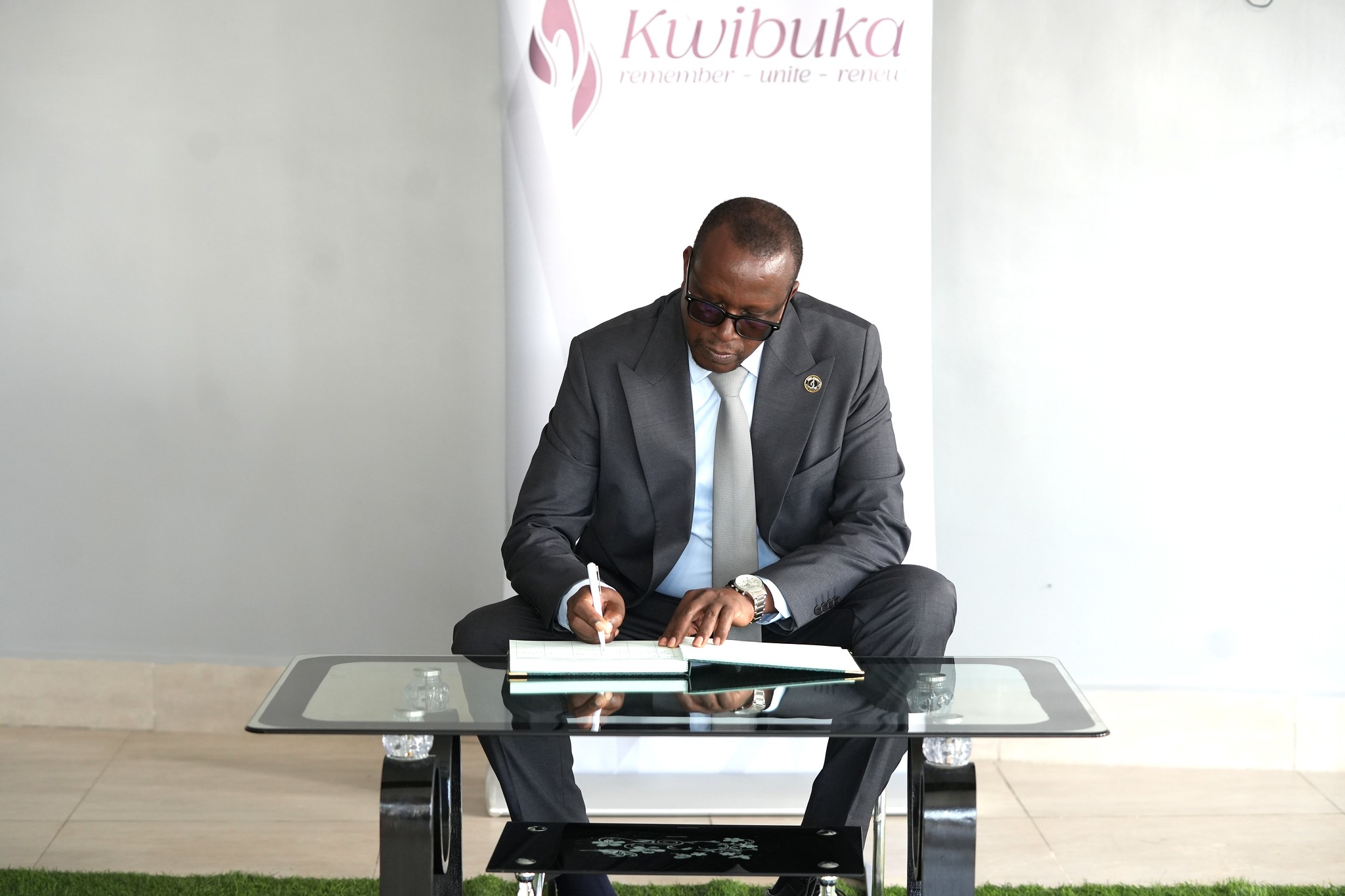
Thank you for organizing this day of remembrance at the Kigali Genocide Memorial; it is a joint opportunity for everyone to reflect on the Holocaust and recall the deep, fundamental human values that the Holocaust shamefully violated.
The memory of the Holocaust is a historical necessity that all humanity must remember in order to recall its cruelty, to inform the younger generations about its gravity, and about the danger of Holocaust denial, which is the continuation of the Holocaust in another form.
Such a moment is a special opportunity to bring back to life the humanity scorned by the Shoah, to address in particular the young people of our time who did not experience this unspeakable tragedy, and to make them aware of the dangers of the ideology of intolerance and hatred, which precedes the perpetration of any genocide.
It is also a moment to challenge the youth of our time to engage against racial and ethnic stereotypes and clichés, and to motivate them to work for unity and peace in order to build a harmonious and peaceful world.
This Holocaust commemoration reminds us that we have a duty to the younger generations of the world. These young people must know the past so that they can do their best to ensure that the lessons of the Holocaust are used to fight against the perpetration of other genocides and to join efforts to fight its denial.
This is important because history often shows that without regular attention, tragedies on the scale of the Holocaust are capable of being repeated anywhere around the world.
Let us indeed remember that in 1945, the United Nations established the Charter, which was intended to prevent any future genocides. Three years later, in 1948, the United Nations adopted the Convention on the Prevention and Punishment of Genocide, which was intended to prevent genocide. A year later, in 1949, the United Nations adopted a series of international laws and conventions, the Geneva Conventions, which regulate the law of armed conflicts.
However, this legal arsenal was not enough to prevent the world from experiencing other genocides after the Holocaust, as evidenced by the events in the former Yugoslavia in 1993 and in Rwanda in 1994, to name only two of the most serious tragedies that marked the end of the 20th century.
The point is that the end of the Holocaust and the extermination of more than six million Jews was not enough to give the world the stable peace that was needed. There is still a failure on the part of the international community to prevent and punish genocide and other major crimes under international law.
To overcome this flaw, regular cooperation of all states is required to preserve the Holocaust memory by punishing genocide perpetrators wherever they are found and enacting laws in each State that punish Holocaust denial.
Holocaust denial or denial of any other genocide must not be tolerated. Denial is not an opinion; it is a crime that must be punished by law wherever it occurs. Denial is a new type of genocide. The French historian Pierre Vidal Naquet says it correctly when he notes that "the denial is an attempted extermination on paper that relays the real extermination."
In this domain, Rwanda attaches great importance to the memory of the Holocaust. At our genocide memorial sites, the Holocaust is explained to visitors. In the school curriculum, Rwandan youth students are taught about the history of the Holocaust. At the research level, Rwanda promotes exchange programs with Holocaust history institutes and sends Rwandans to visit Holocaust museums around the world. There is also an exchange of students and teachers and a partnership between Rwandan and Jewish associations that are fighting for the memory of the Holocaust and the Genocide against the Tutsi in different countries.
On the penal level, Rwandan law punishes both genocide and the denial of any genocide acknowledged by the United Nations or by an international tribunal. This means that any person who dares to deny, on Rwandan territory, the reality of the Holocaust is liable to be prosecuted.
Your Excellencies, Distinguished guests, and participants;
Through its participation in this Holocaust commemoration, Rwanda reaffirms its unwavering commitment to fight against anti-Semitism, racism, and other forms of hate-based ideology that can lead to the extermination of a targeted group.
Rwanda, as a State that experienced genocide, understands the gravity of the Holocaust as much as you do. The Shoah is a crime that deeply affects our country, and we have a duty of solidarity.
We have a collective responsibility to jointly commemorate and deal with the consequences of the Holocaust and of the Genocide committed against the Tutsi, including the treatment of the residual trauma, the organization of remembrance policies, the preservation of historical sites, and the promotion of education and research.
This responsibility includes raising awareness of the causes, consequences, and dynamics of these crimes in order to build the resilience of young people to ideologies of hate.
I would like to conclude by expressing once again my sympathy to the victims of the Holocaust, to the survivors, and to the States of Israel and Germany as they join their hands and efforts to commemorate the Holocaust and draw lessons for preserving the true values of humanity for a better future.
The Government of Rwanda will always stand by your side to make "Never Again" a reality at all times.
Thank you !
END

Amadini ahishira abakoze Jenoside yaburiwe, ADEPR ishimirwa kwambura ubushumba abayigizemo uruhare
Minisitiri Dr Bizimana Jean Damascène yanenze amadini n’amatorero ahishira abagize uruhare muri Jenoside yakorewe Abatutsi mu 1994, ashimira Itorero…

Over 500 Genocide Convicts Begin Reintegration Training Ahead of Release
A total of 526 inmates convicted of crimes related to the 1994 Genocide against the Tutsi have begun a reintegration training programme to prepare…

Minister Bizimana urges ADEPR pastors to promote unity and resilience
The Minister of National Unity and Civic Engagement, Dr Jean-Damascène Bizimana, has urged senior pastors of the ADEPR Church to uphold leadership…
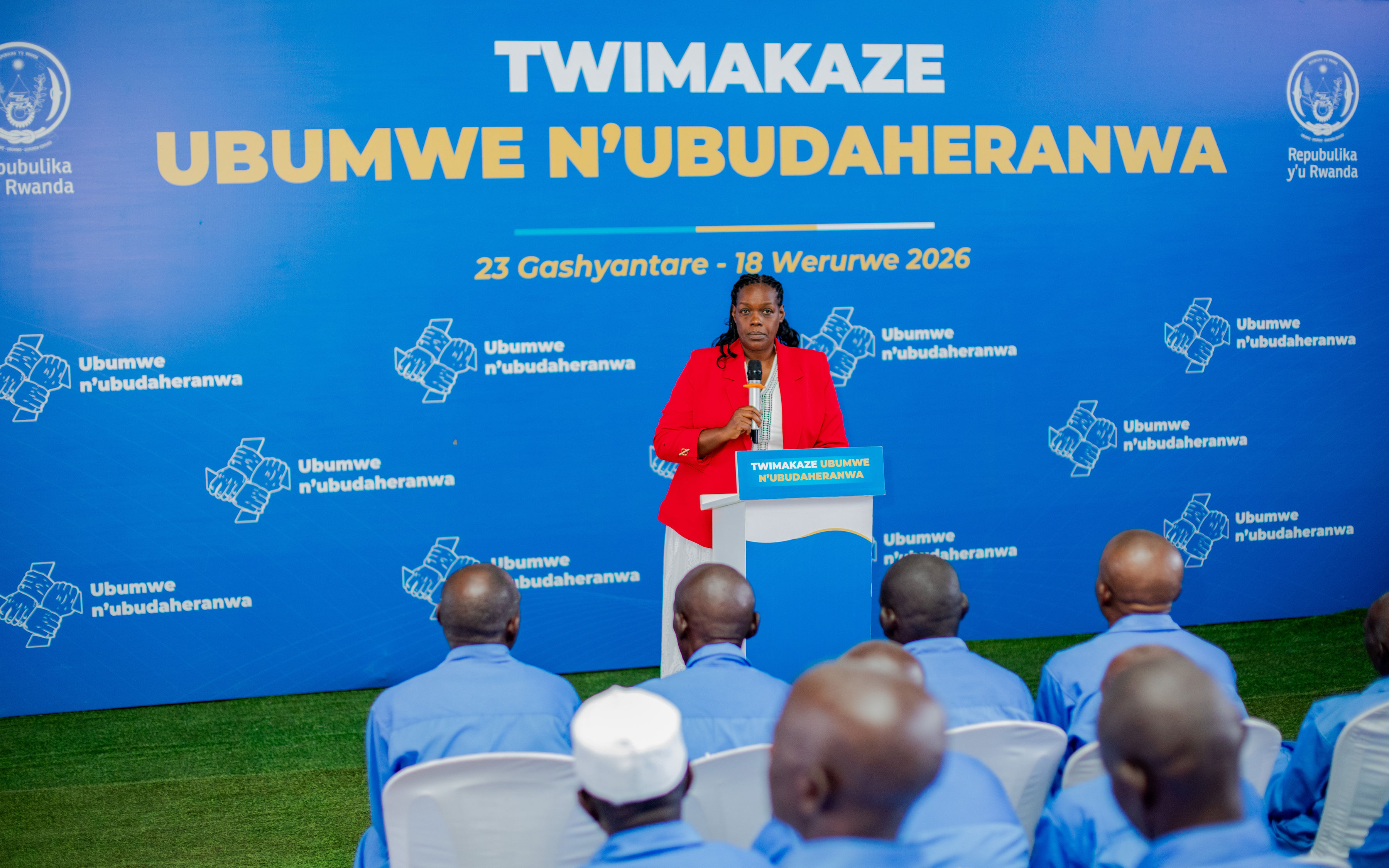
Over 260 genocide convicts complete unity and resilience training ahead of reintegration
A total of 266 inmates convicted of crimes related to the 1994 Genocide against the Tutsi, including 101 women, have successfully completed a unity…
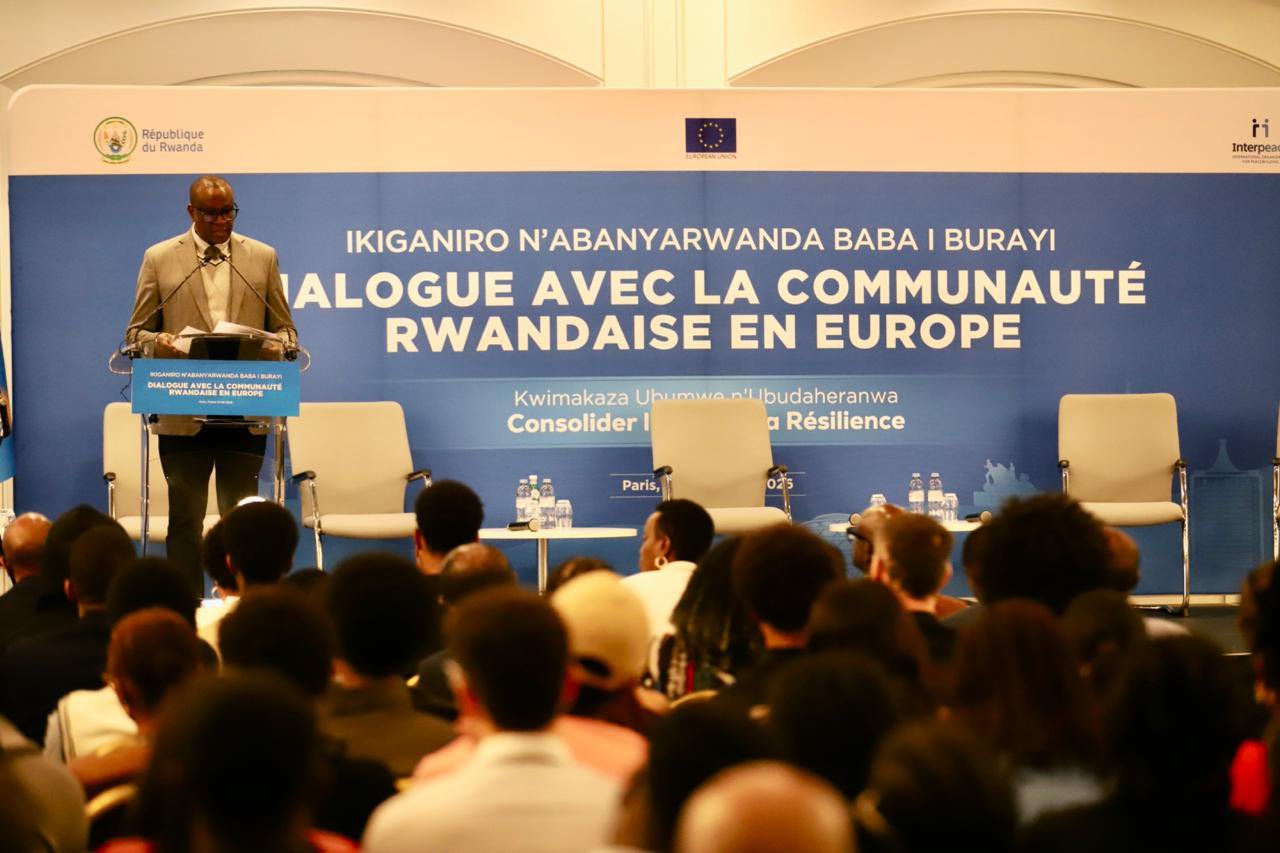
“Genocide Guilt Is Personal, Not Inherited” - Rwandan Diaspora in Europe Engaged in Dialogue on Unity and Resilience
On 21 February 2026, the Ministry of National Unity and Civic Engagement (MINUBUMWE) convened an unprecedented dialogue with Rwandans living in…
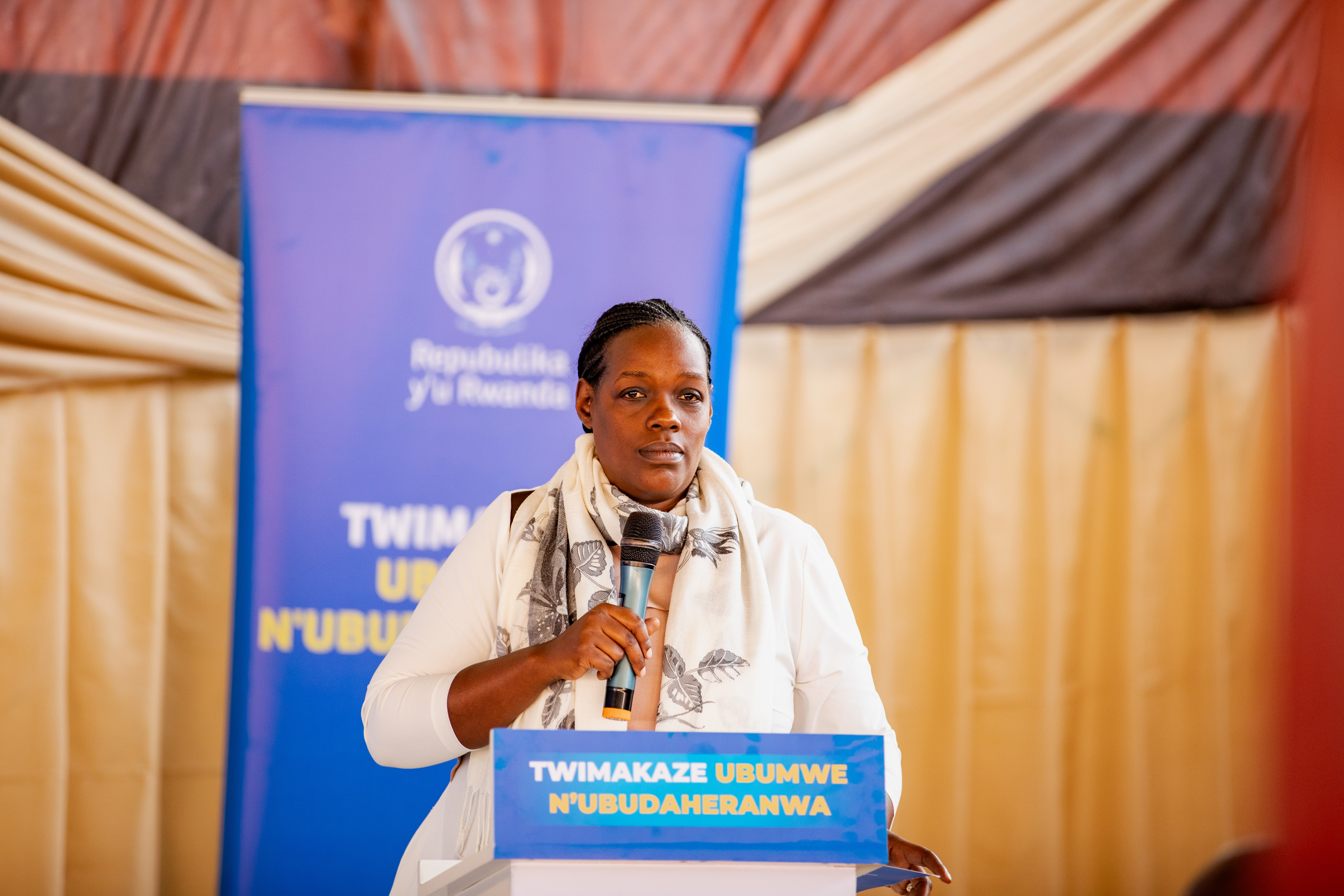
Genocide convicts urged to shun divisionism, embrace gender equality ahead of release
A total of 262 convicts of the 1994 Genocide against the Tutsi who are nearing completion of their sentences are undergoing a reintegration training…
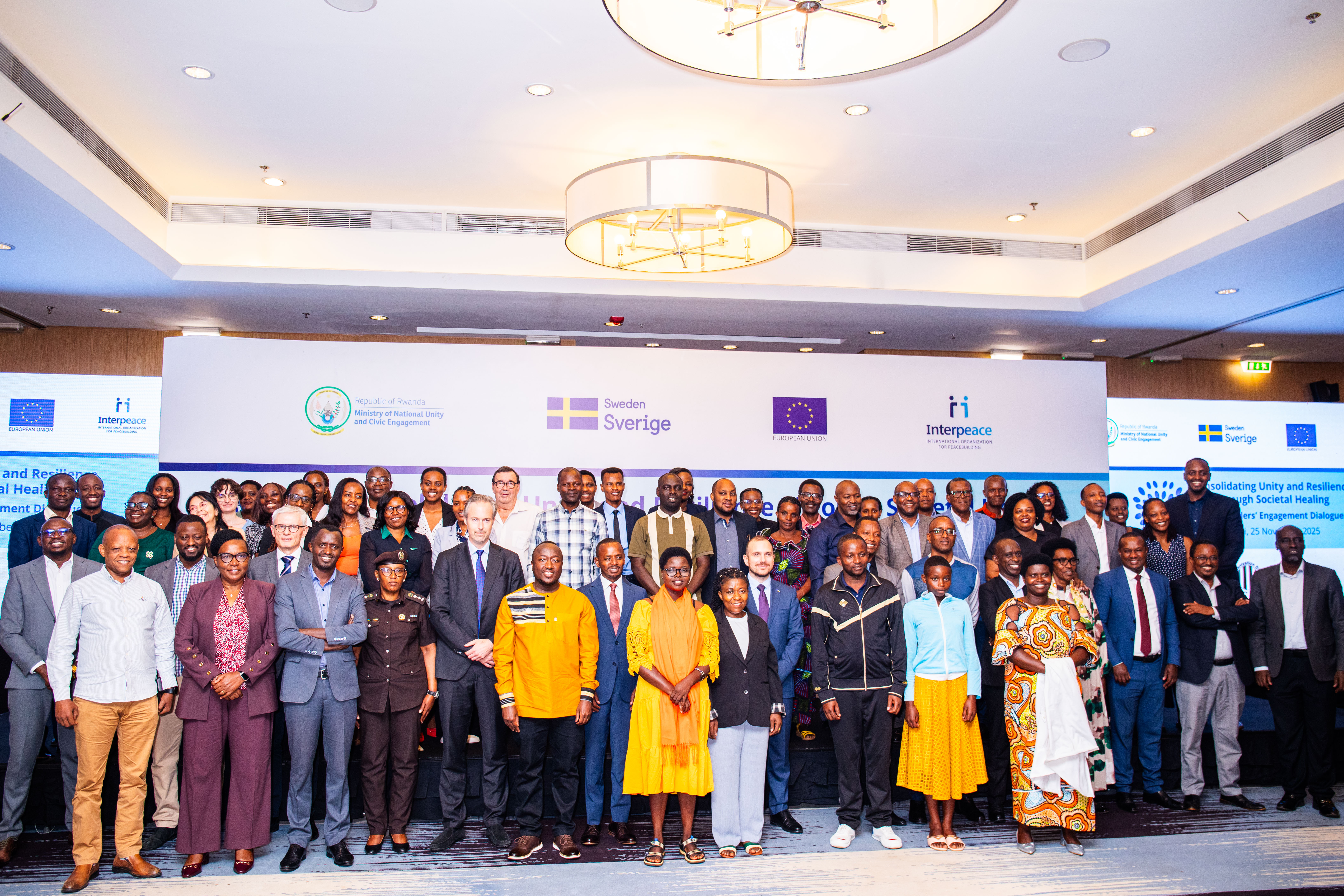
Reflecting on achievements of the “Reinforcing Community Capacity for Social Cohesion and Reconciliation through Societal Healing” program
On 25 November 2025, Permanent Secretary Eric Mahoro joined stakeholders to reflect on the results of the “Reinforcing Community Capacity for Social…
Bigogwe yabaye indiri y’itegurwa rya Jenoside yakorewe Abatutsi – Min. Dr Bizimana
Ku wa 18 Gicurasi 2025, Minisitiri Dr Bizimana Jean Damascene yifatanyije n’abaturage b’Uturere twa Nyabihu na Rubavu mu Kwibuka ku nshuro ya 31…

Umugambi wa Jenoside yakorewe Abatutsi watangiye mu 1990 – Min. Dr Bizimana
Ku wa 17 Gicurasi 2025, Minisitiri Dr Bizimana Jean Damascene n’abandi bayobozi, bifatanyije n’abaturage b’Akarere ka Rulindo, mu gikorwa cyo Kwibuka…