Overview

The mission of MINUBUMWE is to preserve historical memory, to reinforce national unity, and to promote citizenship education and culture.

Email:
[email protected]

Address:
KG 7 Ave

Twitter:
@Unity_MemoryRw

MINUBUMWE has the following Responsibilities:

  1. To develop, disseminate, and implement national policies, strategies, laws, and programmes related to –
    • The maintenance of history of Rwanda;
    • The reinforcement of national unity;
    • The promotion of civic engagement and culture;
    • The promotion of leadership qualities; and
    • The prevention of genocide and the fight against genocide, genocide ideology, denial and revisionism of the Genocide against the Tutsi;
  2. To elaborate, disseminate, and implement strategies related to –
    • Social cohesion to heal the wounds caused by the distortion of the history of Rwandans; and
    • The promotion of culture, unity and peace among Rwandans through education in educational institutions and platforms at the level of community, civil society, faith-based organisations, public sector, and private sector;
  3. To write on history of Rwanda and develop content of citizenship and culture education, in collaboration with other institutions;
  4. To regulate the culture sector through elaboration of the rules applicable to culture activities and disseminate them;
  5. To monitor and evaluate the implementation of policies, strategies and programmes of the maintenance of national history, unity and culture;
  6. To establish strategies to protect and maintain achievements made with regard to –
    • National unity;
    • Dealing with the effects of the Genocide against the Tutsi, including the actions aimed at the welfare of needy survivors of the Genocide against the Tutsi;
    • The commemoration of the Genocide against the Tutsi; and Citizenship education and culture;
  7. To establish and monitor indicators related to national unity, civic engagement and culture;
  8. To conduct, publish and establish mechanisms to disseminate research on history of Rwanda in general and, in particular, on Genocide against the Tutsi, on the unity of Rwandans, civic education and culture, and build the capacities of researchers;
  9. To keep information on –
    • The history of Rwanda in general and, in particular, the history of the Genocide against the Tutsi;
    • National unity;
    • Civic engagement; and
    • Rwandan culture;
  10. To maintain memorial sites of the Genocide against the Tutsi;
  11. To collect and preserve evidences of the Genocide against the Tutsi, including gacaca courts and Rwandan history documentaries, testimonies and other evidences of history;
  12. To prepare and coordinate activities related to the commemoration of the Genocide against the Tutsi;
  13. To maintain and share methods used by survivors of the Genocide against the Tutsi for recovery and resilience after the Genocide against the Tutsi;
  14. To nurture Rwandans to have unity based on the values of the history of Rwanda and on Rwandan cultural values in general;

15.    To promote the culture of Ubutore
16.    To develop culture of unity and peace among Rwandans through education and dialogue at the level of the family, education institutions, civil society, faith-based organisations, public sector and private sector;
17.    To evaluate the state of the unity of Rwandans, the ideology of genocide and civic engagement;
18.    To promote the culture of patriotism and Pan-Africanism;
19.    To encourage Rwandans to participate in national programs and understand civic responsibilities in the journey of development of the country;
20.    To develop knowledge and educational materials on citizenship education and culture for Rwandans in all categories, including the Rwandan diaspora, (families, teachers, youth, faith-based organisations and civil society;
21.    To encourage various institutions to include in their action plans education of Rwandans on the history of the country, national unity, civic engagement and culture;
22.    To monitor how public and private institutions comply with and implement principles of national unity, civic engagement and culture through their annual action plans and strategic plans;
23.    To develop institutional and human resources capacities in the preservation of historical memory, reinforcement of national unity, promotion of citizenship education and culture;
24.    To put in place a collaboration mechanism with both national and international institutions in dissemination of the history of Rwanda in general, and in particular, the history of Genocide against Tutsi and strategies of Rwanda to recovery after Genocide against the Tutsi;
25.    To sensitize the international community to put in place laws that criminalize the genocide and genocide ideology;
26.    To collaborate with national and foreign partners in the fight of denial and revisionism of the Genocide against the Tutsi;
27.    To put in place collaboration mechanisms for fostering sustainable peace in Rwanda, in the region, on the African continent and in the world as a whole; and
28.    To identify cultural development needs through promoting partnership in the field of culture and its promotion at international level.

The Minister

Jean-Damascène BIZIMANA

Minister of National Unity & Civic Engagement

Born in 1963 in Cyanika sector, in Nyamagabe District, Bizimana holds a PhD in Law, with a specialization in international law, from the University of Toulouse in France which he obtained in February 2004. His master’s degree in law was obtained from Montpellier I University in France. He also holds a Bachelor’s degree in philosophy and human sciences obtained in 1991.

Until his appointment, the former academic and senator, served as the Executive Secretary of the National Commission for the Fight against Genocide (CNLG), an agency established in 2007 to prevent and fight against Genocide, its ideology and overcoming its consequences.

From 2004 to 2006, he taught international law at the then National University of Rwanda and at Kigali Independent University (ULK).

From 2007 to 2010, he taught International Law in University of Rwanda, Genocide Studies, Center for conflict Management

Between 2006 and 2009, he served as a member of the Rwandan National Commission which examined the role of the French government in the 1994 Genocide against the Tutsi. Among others, Bizimana was vice president of the National Commission that probed the downing of former President Juvenal Habyarimana’s plane in April 1994.

Thereafter, from 2009 to 2010, he worked as a private expert and international consultant. He is an expert t in transitional justice, human rights and international justice.

Bizimana is an academic researcher who has published many articles on national, regional and international geopolitics, history and consequences of the 1994 genocide, as well as genocide ideology and denial.

He has published three books in French and Kinyarwanda: Inzira ya Jenoside yakorewe Abatutsi (2014); La contribution du Tribunal pénal International à l'évolution de la justice pénal Internationale (2004); and L'Eglise et le génocide au Rwanda (2001).

Permanent Secretary

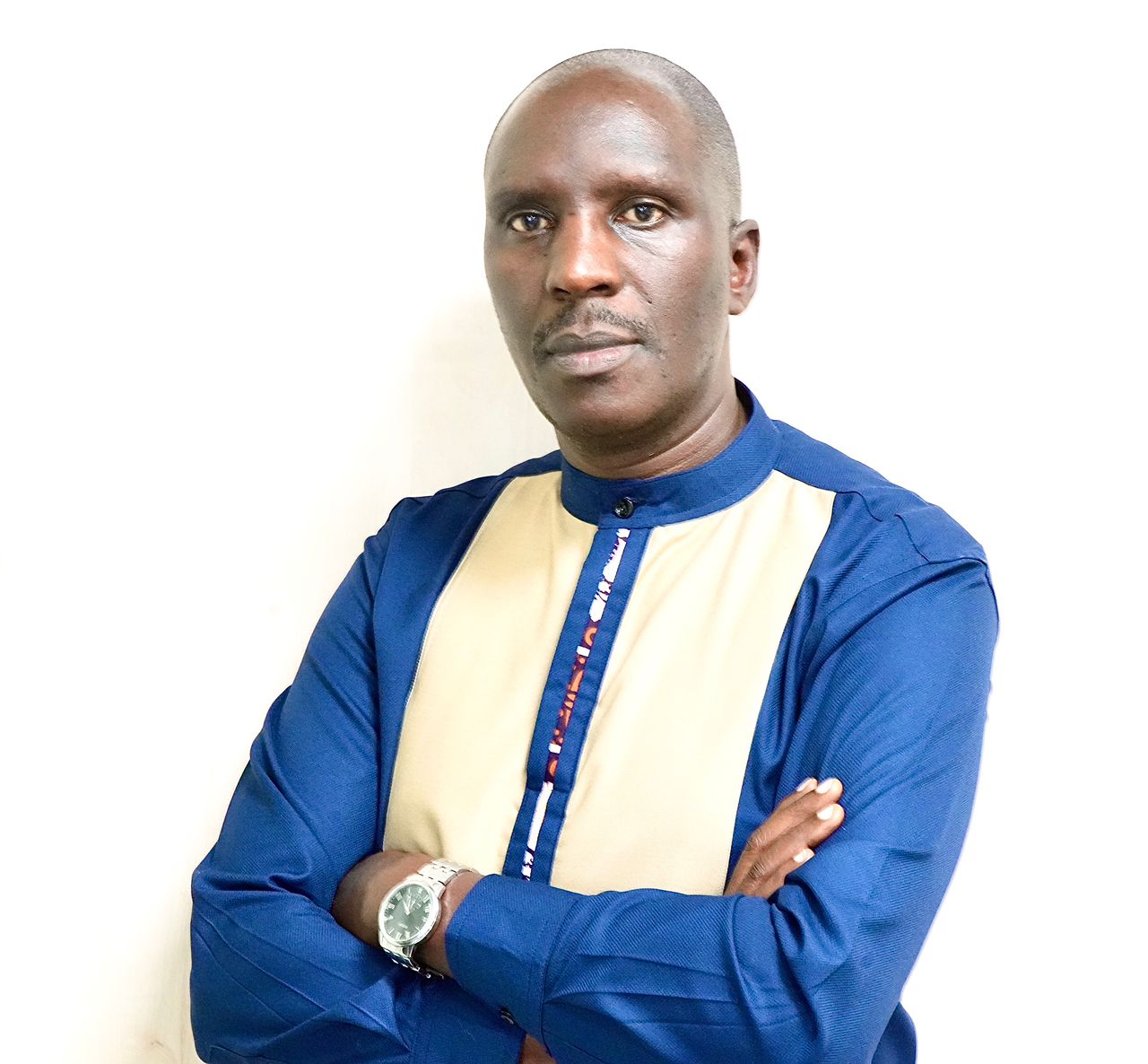
Eric U. Mahoro

Permanent Secretary

Eric U. Mahoro has over 15 years’ experience in different sectors including Governance, Peace Education, Genocide Prevention, Trauma Healing and Social Justice. Throughout his work, Eric led a number of researches in the aforementioned areas looking at both Rwanda and the Great Lakes Region. During his career, Eric has co-initiated different programs aiming at Genocide Prevention, Peace Education, Youth Empowerment, and Participatory Governance. Eric served in senior technical and leadership positions within different organizations before joining MINUBUMWE. Among different positions held, Eric served as the Secretary General for Rwanda Civil Society Platform, Executive Director for Never Again Rwanda, and Senior Governance Advisor for the British High Commission Kigali (Foreign and Common Wealth Development Office). Eric U. Mahoro holds a Master’s degree in Education and a Bachelor’s degree in Arts, Literature with Education.

Senior Officials

Honorable Marie Alice KAYUMBA UWERA
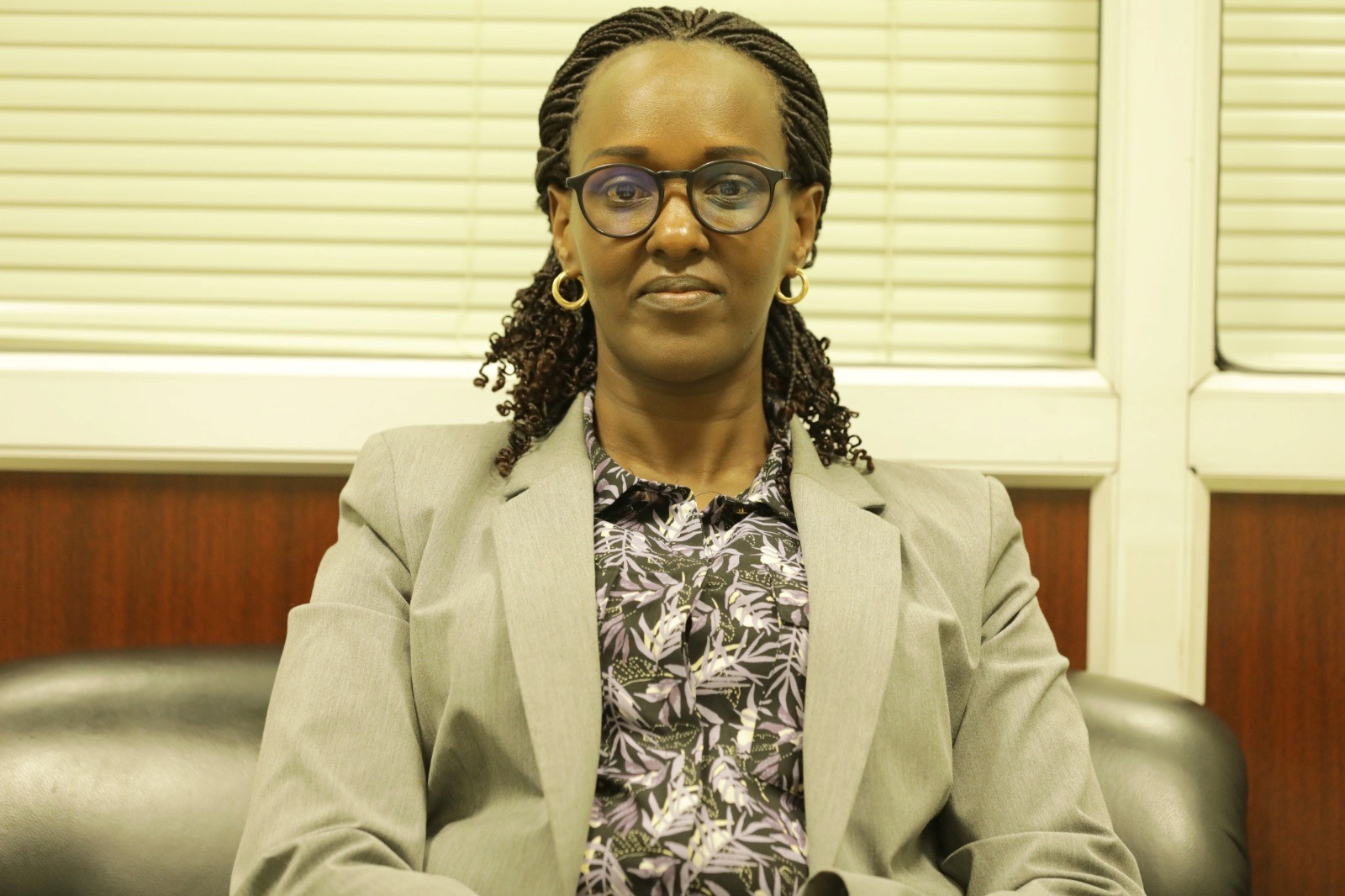
Executive Director in Charge of National Unity and Community Resilience

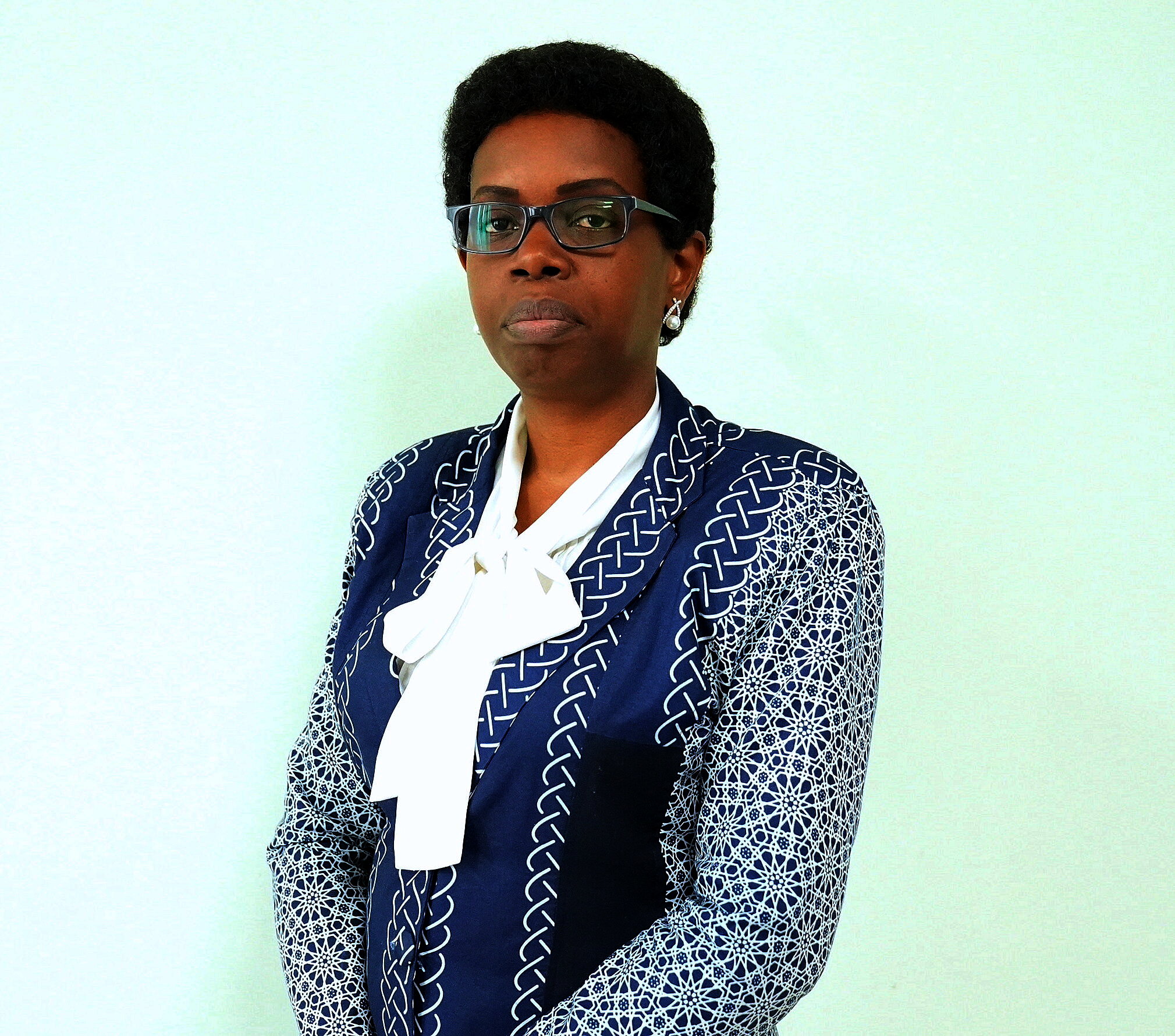
INGABIRE Veneranda

Executive Director of Memory and Genocide prevention

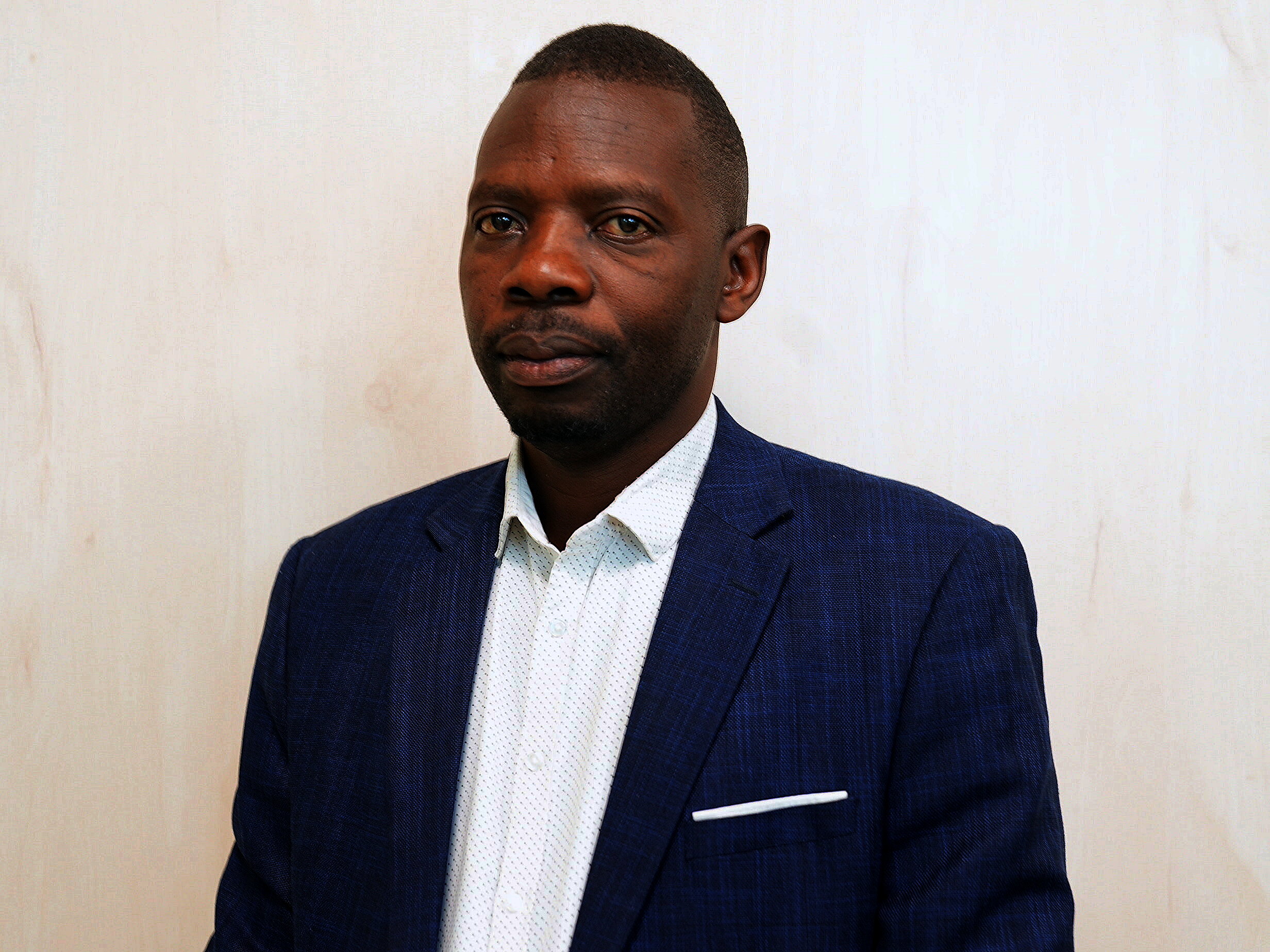
Theoneste Rutayisire

Executive Director of the Department of Research and Policy Development

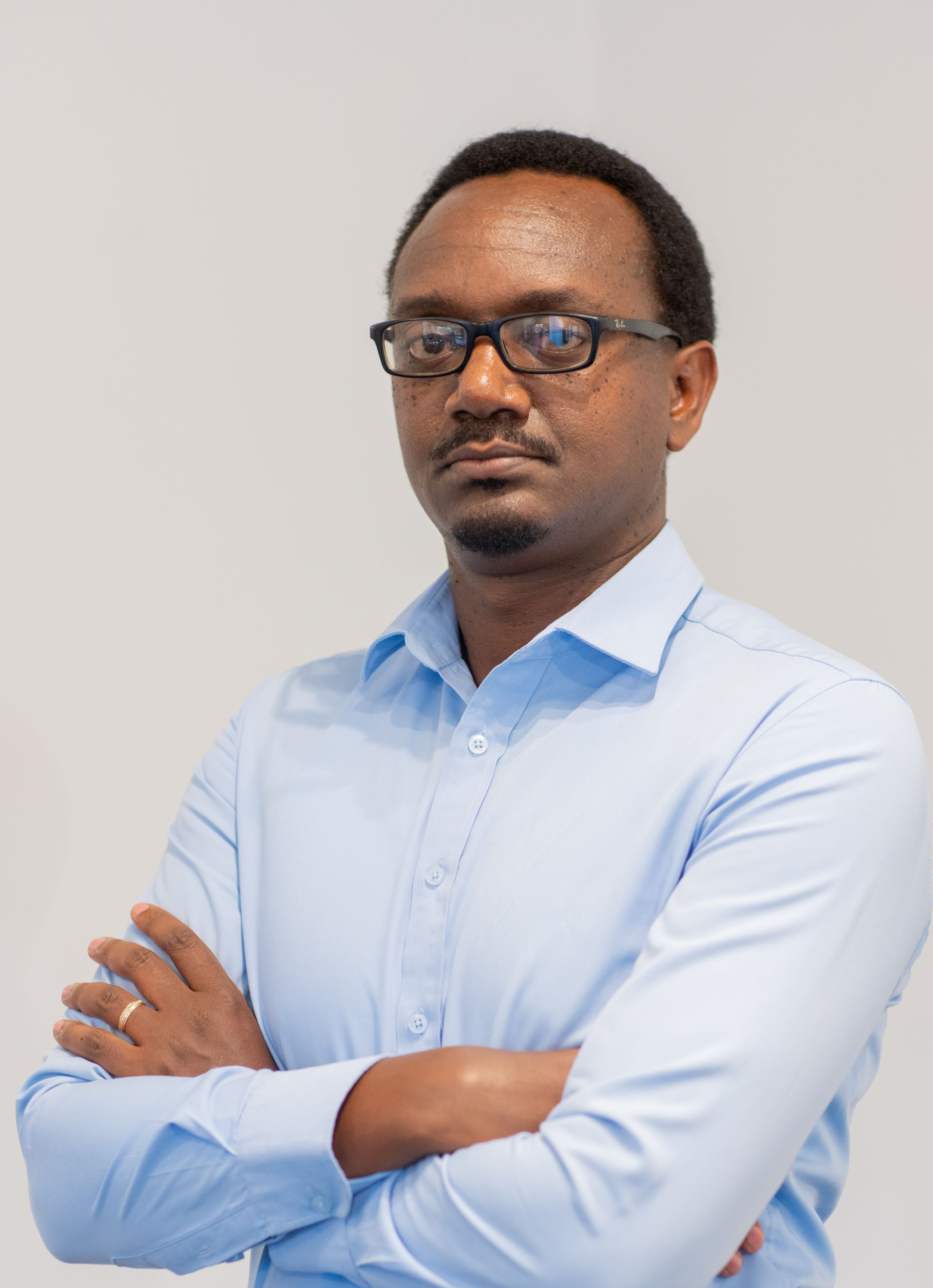
Mpayimana Philippe

Senior Expert in charge of Community Engagement

Paul RUKESHA

Director General of Communication and Partnership

Charlotte Urukundo

Head of Corporate Services

Employee of The Year

INGABIRE Angelique

Employee of the Year 2024-2025

INGABIRE Angelique is in the position of Social and Livelihood Development Specialist, in the National Unity and Community Resilience Department at the Ministry of National Unity and Civic Engagement.

She was selected as the Best Professional and Ethical Employee of the Year 2024–2025.