Over 500 Genocide Convicts Begin Reintegration Training Ahead of Release

A total of 526 inmates convicted of crimes related to the 1994 Genocide against the Tutsi have begun a reintegration training programme to prepare them for their return to their families and communities after completing their sentences.
The 10th cohort of the programme was launched on 5 October 2026 at Nyamasheke Correctional Facility. The participants are expected to complete their sentences within the next two months.
The programme is jointly implemented by the Ministry of National Unity and Civic Engagement (MINUBUMWE), Rwanda Correctional Service (RCS) and other partners.
Marie Alice Kayumba Uwera, Executive Director in Charge of National Unity and Community Resilience at MINUBUMWE, said the training aims to prepare participants to return to society and contribute positively to their families and communities.
“This is the 10th cohort of training aimed at helping them return to normal life, avoid becoming a source of anything that could undermine the unity and resilience of Rwandans, and contribute to strengthening it,” she said.
The training covers Rwanda’s history, the consequences of the 1994 Genocide against the Tutsi, the responsibilities of returning citizens within their families and communities, and the importance of rejecting discrimination, divisionism and genocide ideology.
According to RCS, more than 120,000 people were initially imprisoned for crimes related to the Genocide against the Tutsi. Many have since completed their sentences and returned to their communities.
Kayumba noted that reintegration can be challenging because of broken family relationships, loss of trust, social isolation, poverty and family disputes. She stressed that communities and families also need to be prepared to receive those returning from correctional facilities.
“The preparation of those completing their sentences must also go together with preparing the families and communities where they will continue their lives,” she said.
Preparing communities for reintegration
Nyamasheke District Mayor Narcisse Mupenzi told the participants that their return should be viewed as an opportunity to rebuild relationships and contribute to their communities.
“This programme does not end here at the correctional facility. It continues when you return home,” Mupenzi said.
He urged them to participate in community activities and access public services alongside other citizens, assuring them that local authorities were prepared to support their reintegration.
DCG Theos Badege, Deputy Commissioner General of Rwanda Correctional Service, urged the participants to take the training seriously and use what they have learned to build responsible lives after release.
“We do not want to see your names again in our records here at the correctional facility,” he said, urging them to distance themselves from criminal behaviour and genocide ideology.
Learning from Rwanda’s history
The training also addresses the history of national unity, the development of genocide ideology and the factors that contributed to the 1994 Genocide against the Tutsi.
MINUBUMWE researcher Faustin Mafeza explained how colonial policies, political mobilisation and propaganda contributed to the spread of divisive ideologies and the preparation and implementation of the Genocide.
Participants were encouraged to reject genocide ideology, discrimination, divisionism, minimisation and denial of the Genocide against the Tutsi.
Kayumba urged the participants to rebuild their lives around the principle of Rwandan identity, live peacefully with their families, neighbours and survivors, and contribute positively to their communities.
She also encouraged them to tell the truth about crimes committed during the Genocide, seek forgiveness where appropriate and provide information about the whereabouts of victims whose remains have not yet received a dignified burial.
MINUBUMWE will continue working with civil society and faith-based organisations to support former inmates after their release and promote healing, unity, resilience and peaceful coexistence within communities.

Amadini ahishira abakoze Jenoside yaburiwe, ADEPR ishimirwa kwambura ubushumba abayigizemo uruhare
Minisitiri Dr Bizimana Jean Damascène yanenze amadini n’amatorero ahishira abagize uruhare muri Jenoside yakorewe Abatutsi mu 1994, ashimira Itorero…

Minister Bizimana urges ADEPR pastors to promote unity and resilience
The Minister of National Unity and Civic Engagement, Dr Jean-Damascène Bizimana, has urged senior pastors of the ADEPR Church to uphold leadership…
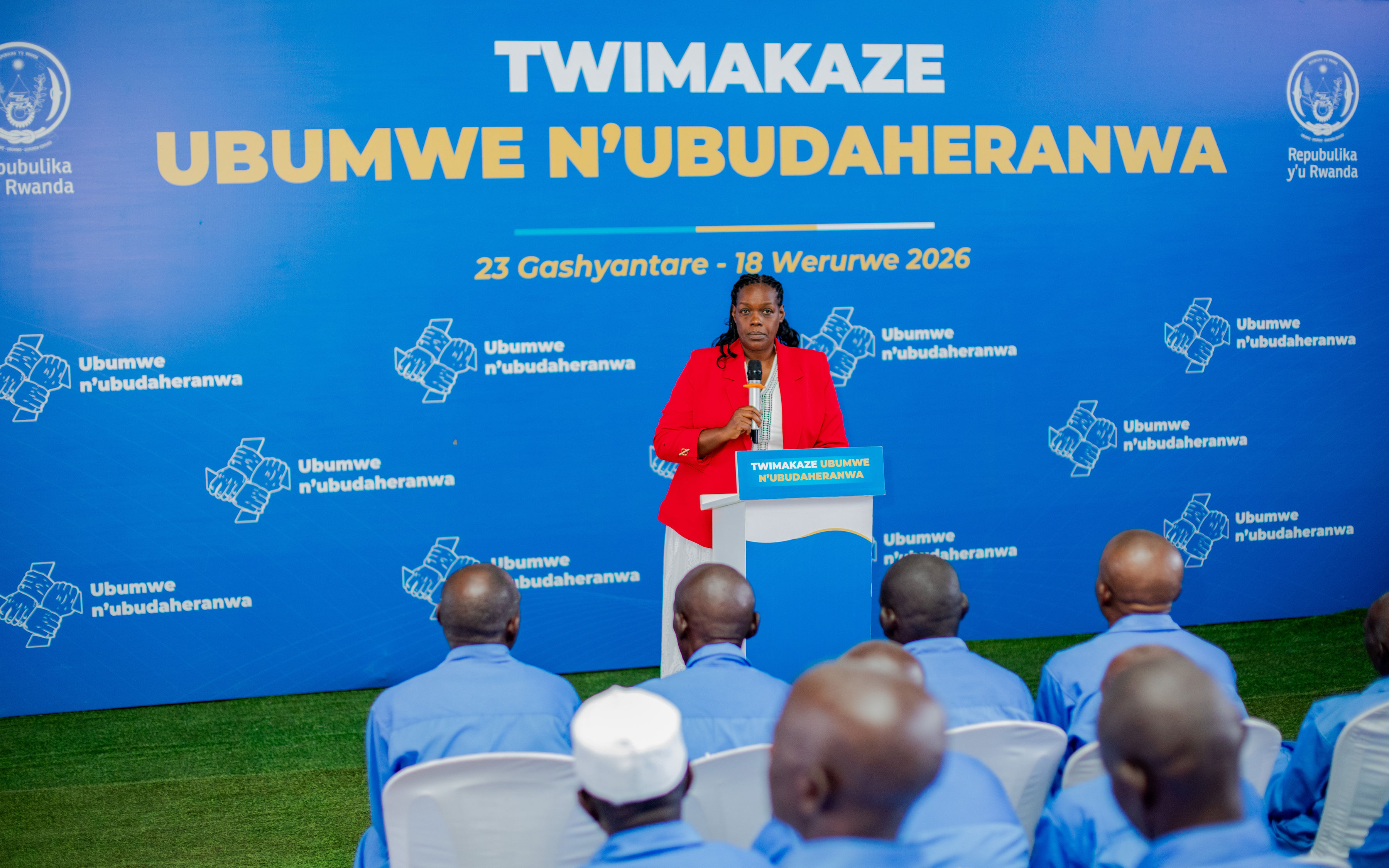
Over 260 genocide convicts complete unity and resilience training ahead of reintegration
A total of 266 inmates convicted of crimes related to the 1994 Genocide against the Tutsi, including 101 women, have successfully completed a unity…
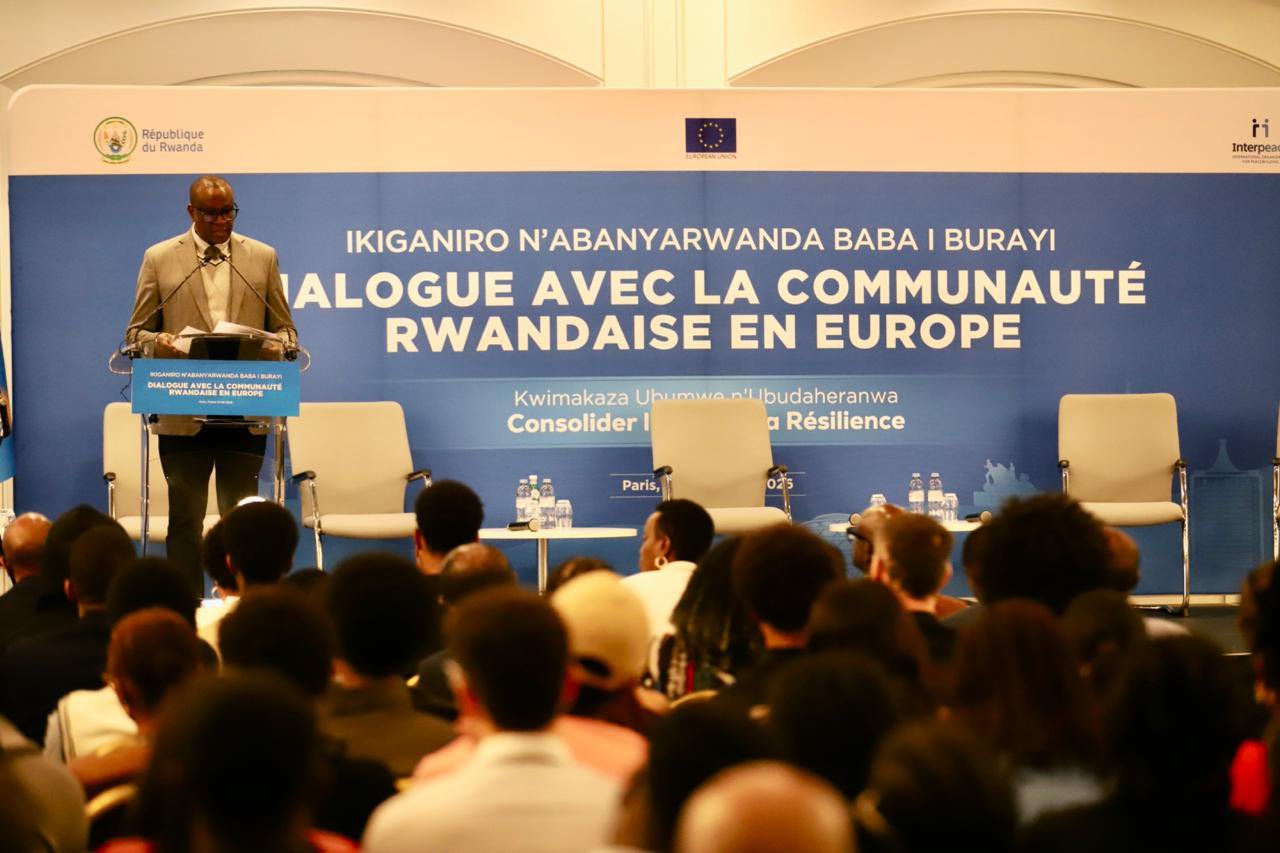
“Genocide Guilt Is Personal, Not Inherited” - Rwandan Diaspora in Europe Engaged in Dialogue on Unity and Resilience
On 21 February 2026, the Ministry of National Unity and Civic Engagement (MINUBUMWE) convened an unprecedented dialogue with Rwandans living in…
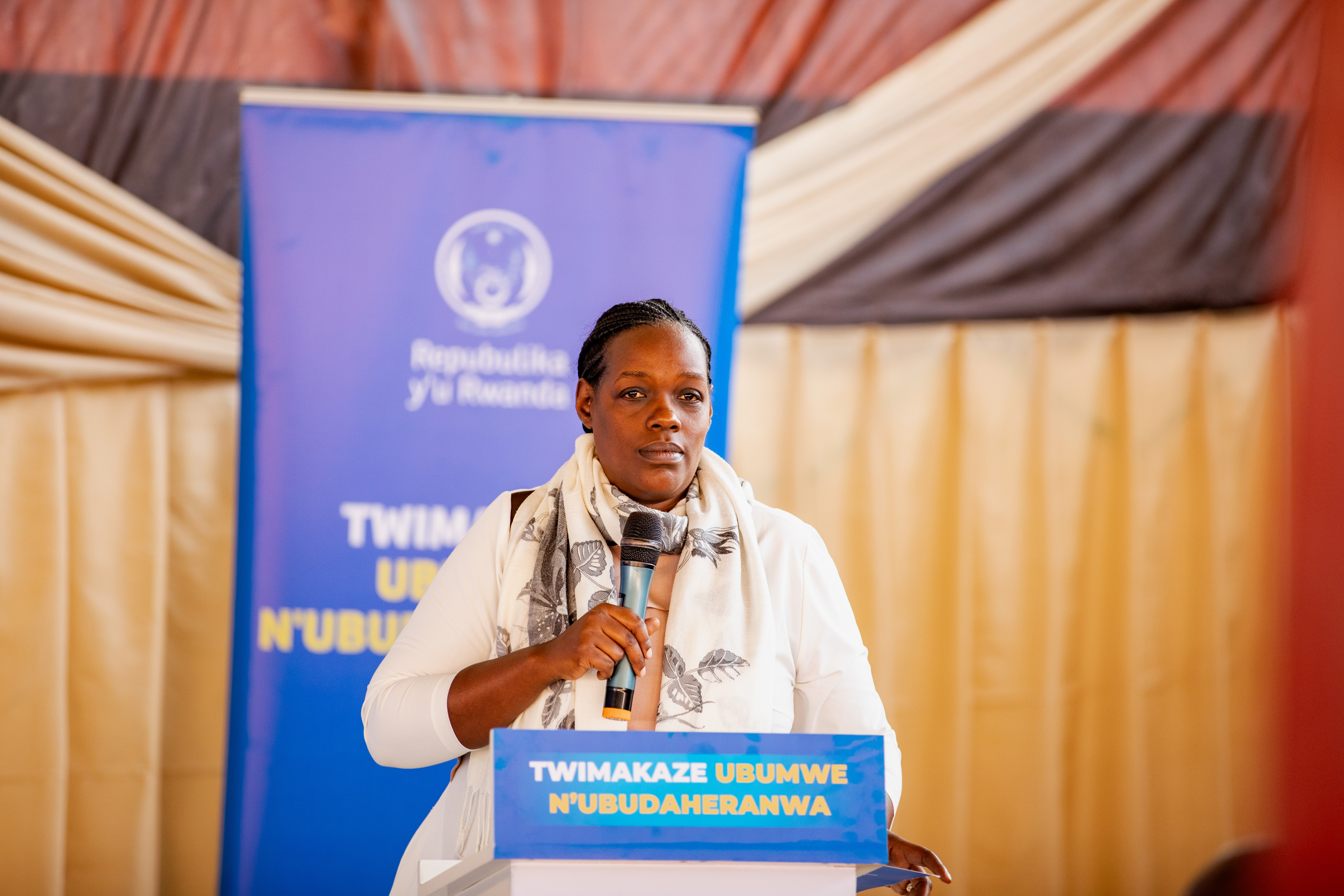
Genocide convicts urged to shun divisionism, embrace gender equality ahead of release
A total of 262 convicts of the 1994 Genocide against the Tutsi who are nearing completion of their sentences are undergoing a reintegration training…
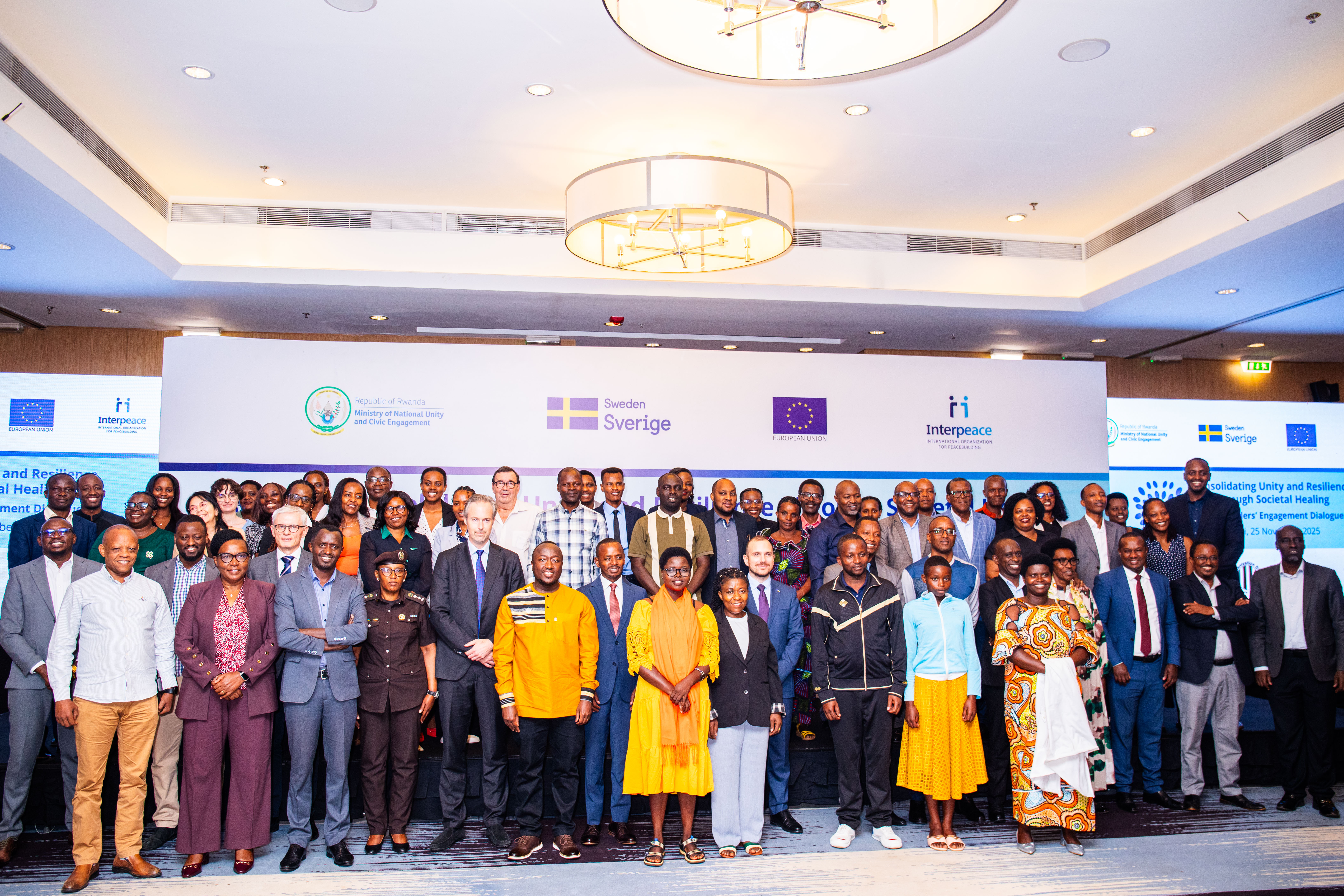
Reflecting on achievements of the “Reinforcing Community Capacity for Social Cohesion and Reconciliation through Societal Healing” program
On 25 November 2025, Permanent Secretary Eric Mahoro joined stakeholders to reflect on the results of the “Reinforcing Community Capacity for Social…
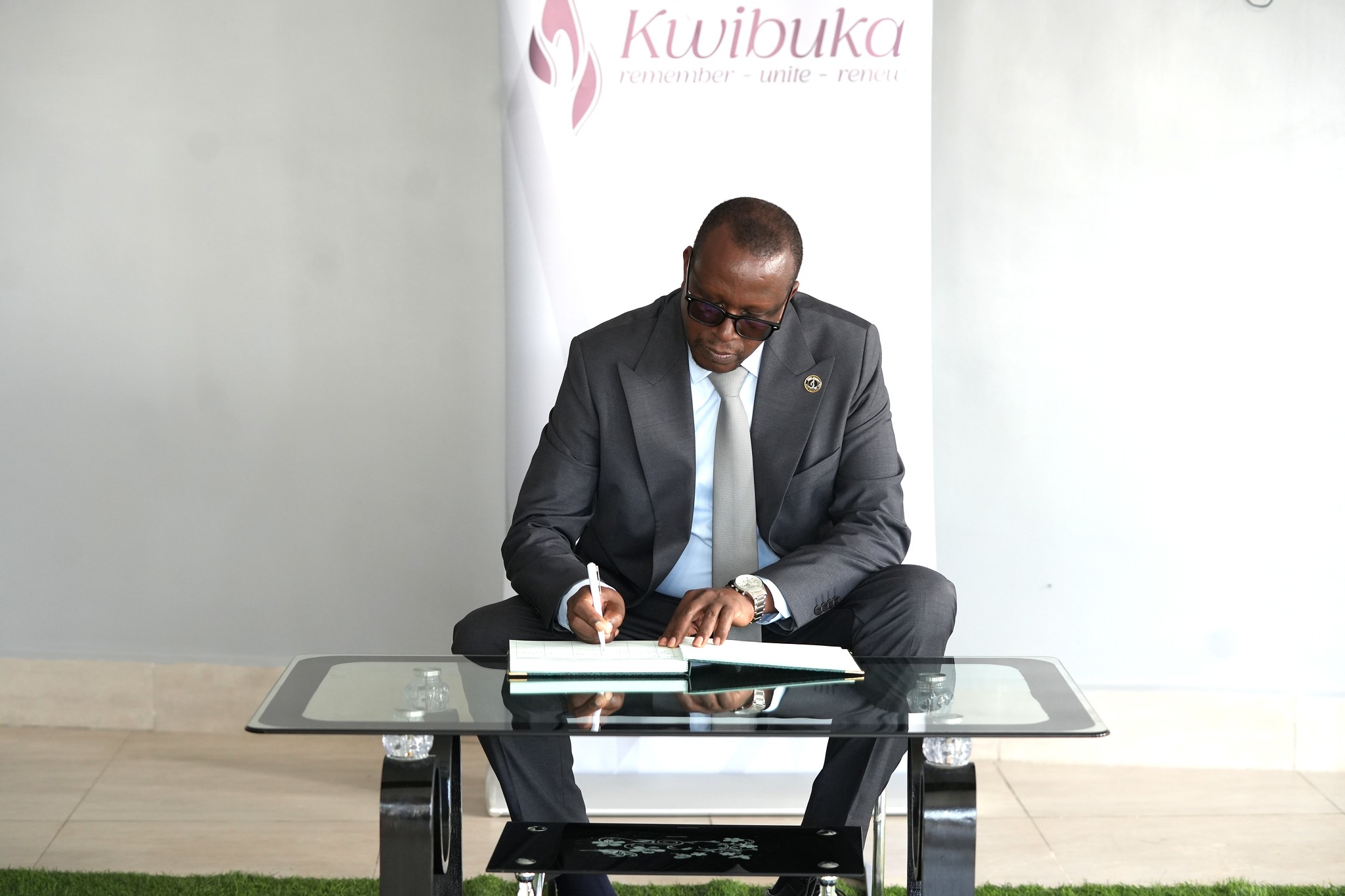
Bigogwe yabaye indiri y’itegurwa rya Jenoside yakorewe Abatutsi – Min. Dr Bizimana
Ku wa 18 Gicurasi 2025, Minisitiri Dr Bizimana Jean Damascene yifatanyije n’abaturage b’Uturere twa Nyabihu na Rubavu mu Kwibuka ku nshuro ya 31…

Umugambi wa Jenoside yakorewe Abatutsi watangiye mu 1990 – Min. Dr Bizimana
Ku wa 17 Gicurasi 2025, Minisitiri Dr Bizimana Jean Damascene n’abandi bayobozi, bifatanyije n’abaturage b’Akarere ka Rulindo, mu gikorwa cyo Kwibuka…
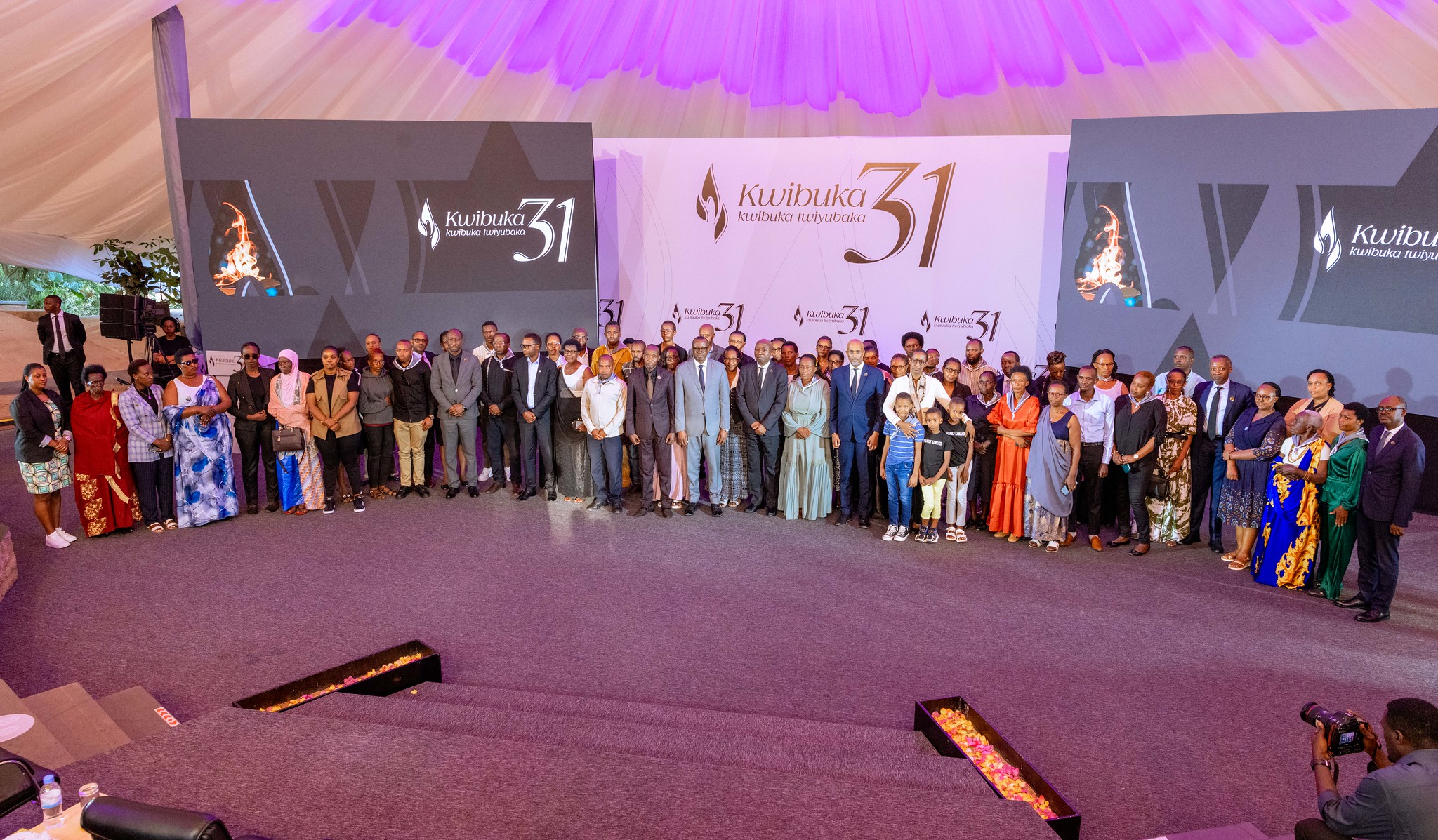
Ntidukwiye kugira abana imbata y'amateka mabi twanyuzemo tubahisha ukuri – Min. Dr Bizimana
Ku wa 15 Gicurasi 2025, Minisitiri Dr Bizimana Jean Damascene yitabiriye igikorwa cyo Kwibuka ku nshuro ya 31 Jenoside yakorewe Abatutsi cyateguwe…