Genocide convicts urged to shun divisionism, embrace gender equality ahead of release
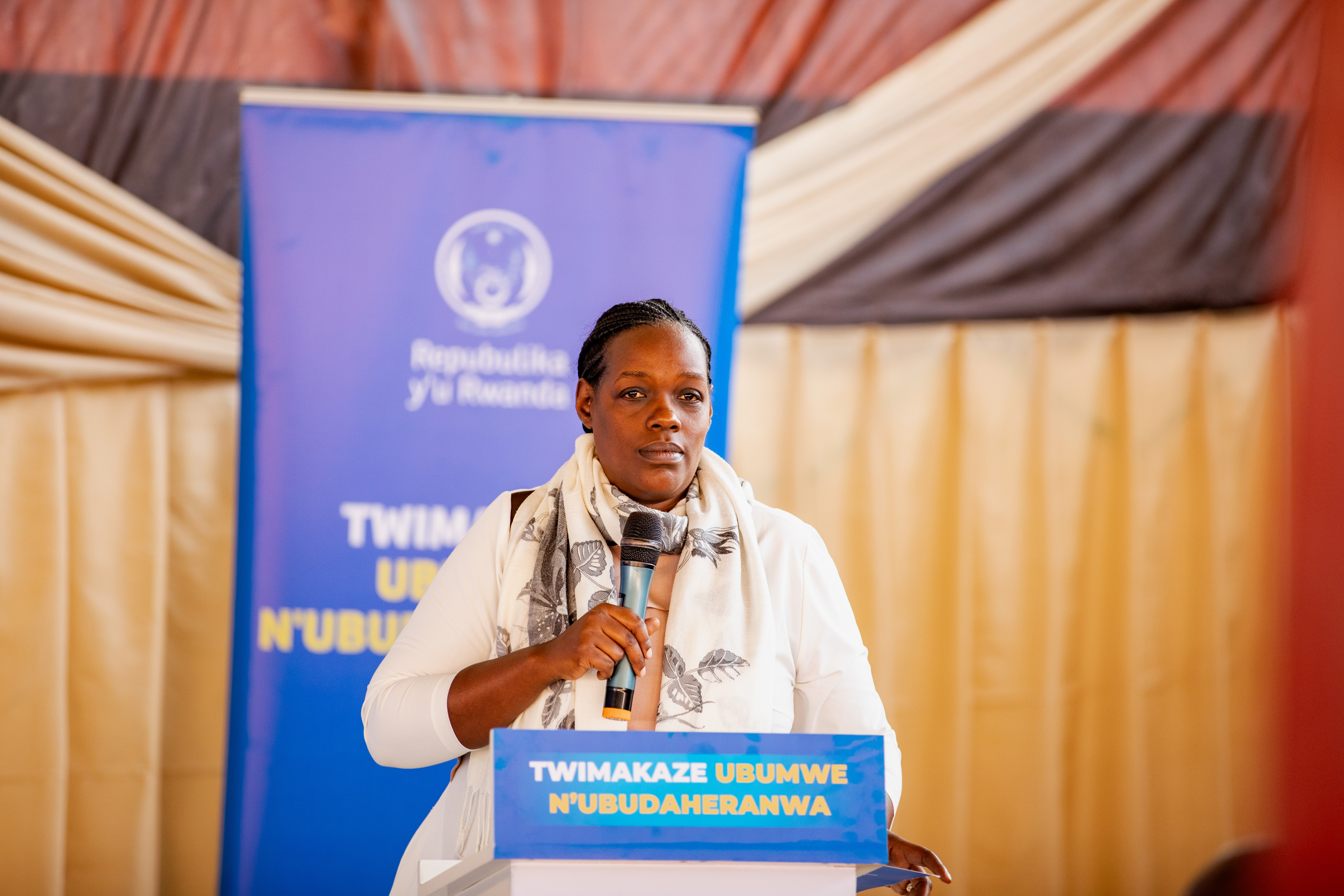
A total of 262 convicts of the 1994 Genocide against the Tutsi who are nearing completion of their sentences are undergoing a reintegration training programme at Nyamagabe Correctional Facility, with a strong call to embrace national unity, resilience and gender equality within their families and communities.
The initiative, currently in its seventh edition, was launched on February 23 and will run until March 18. It aims to prepare participants for a smooth return to society and encourage them to raise their children with civic values such as honesty, responsibility, respect and commitment to national development.
The initiative seeks to update participants on Rwanda’s progress in rebuilding the nation, particularly in strengthening unity and resilience, and to equip them with the mindset required to live peacefully in their communities while contributing to national development through responsible citizenship and self-reliance.
Speaking at the launch, Alice Kayumba Uwera, Executive Director of National Unity and Community Resilience, urged participants to internalise the lessons provided, noting that they are essential for rebuilding trust, repairing relationships and preventing discrimination, divisionism and genocide ideology.
“You need to be honest and raise your children with civic values, not hatred,” she said. “Be ready to embrace positive changes in your families, especially in decision-making grounded in gender equality, and actively participate in national development initiatives by promoting self-reliance, starting from your own homes.”
Uwera recalled that after the Genocide against the Tutsi, which claimed more than one million lives in just 100 days, Rwanda chose restorative justice through the Gacaca courts, which handled nearly 1.96 million cases over a decade. Research conducted in 2010 showed that 83 per cent of perpetrators who confessed sought forgiveness and renounced genocide ideology, while 85 per cent of survivors granted forgiveness and now coexist peacefully with former perpetrators.
She noted that more than 120,000 people were initially imprisoned for genocide-related crimes, and that since 2018, over 1,000 convicts have been released every year after completing their sentences, highlighting the need for structured reintegration programmes.
The Executive Director also highlighted key challenges faced by former convicts upon release, including broken family ties, loss of trust within communities, trauma and shame, poverty, land and inheritance disputes, ideological remnants, and reluctance to disclose information about victims’ bodies.
She stressed that the training programme addresses these challenges by providing civic education on Rwanda’s history, the consequences of the Genocide against the Tutsi, reconciliation, responsible citizenship and the role of former convicts in national development.
Uwera emphasised that unity and resilience begin at the family level, where inclusive decision-making, respect between men and women and shared responsibility in parenting play a critical role in shaping future generations that reject hatred and violence.
“For many of you, self-encouragement is the best way to find inner strength and overcome the emotional burden linked to your experiences, including your role in the 1994 Genocide against the Tutsi,” she added.
She underscored the importance of preparing families and communities for reintegration, warning that inadequate preparation could lead to renewed trauma, misunderstanding and security concerns.
MINUBUMWE, she said, will continue strengthening partnerships with non-governmental and faith-based organisations to support reintegration, psychosocial healing, reconciliation and the disclosure of information about victims’ remains yet to receive dignified burial.
“Their work supports genocide convicts in addressing personal insecurity about their past actions, facilitates community integration, encourages the seeking of forgiveness and fosters a commitment to ensuring such crimes are never repeated,” Uwera noted.
She concluded by urging participants to actively engage in the training sessions and contribute ideas, reminding them that reintegration is not only about returning home, but about becoming responsible citizens who contribute to peace, unity and Rwanda’s continued progress.
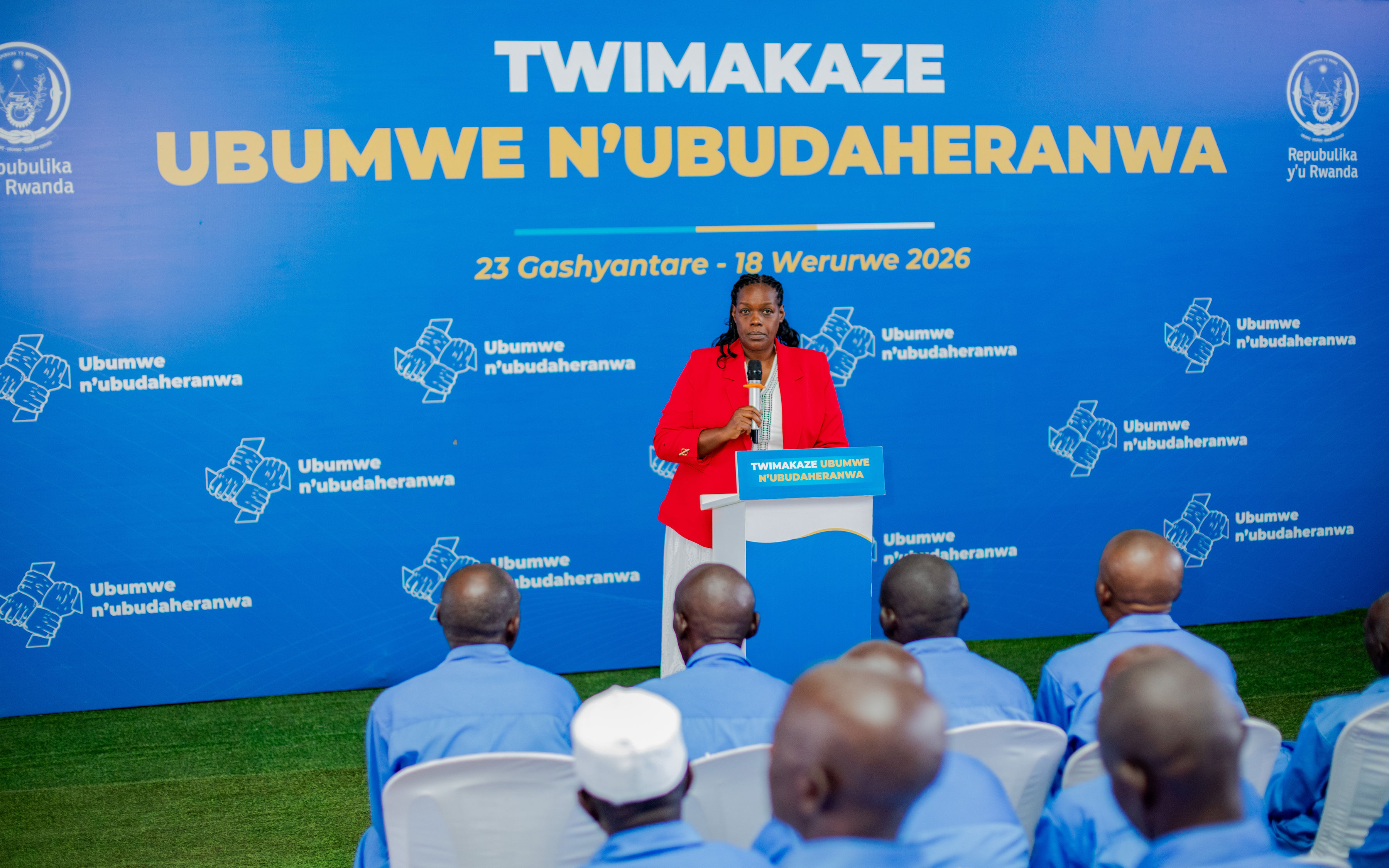
Over 260 genocide convicts complete unity and resilience training ahead of reintegration
A total of 266 inmates convicted of crimes related to the 1994 Genocide against the Tutsi, including 101 women, have successfully completed a unity…
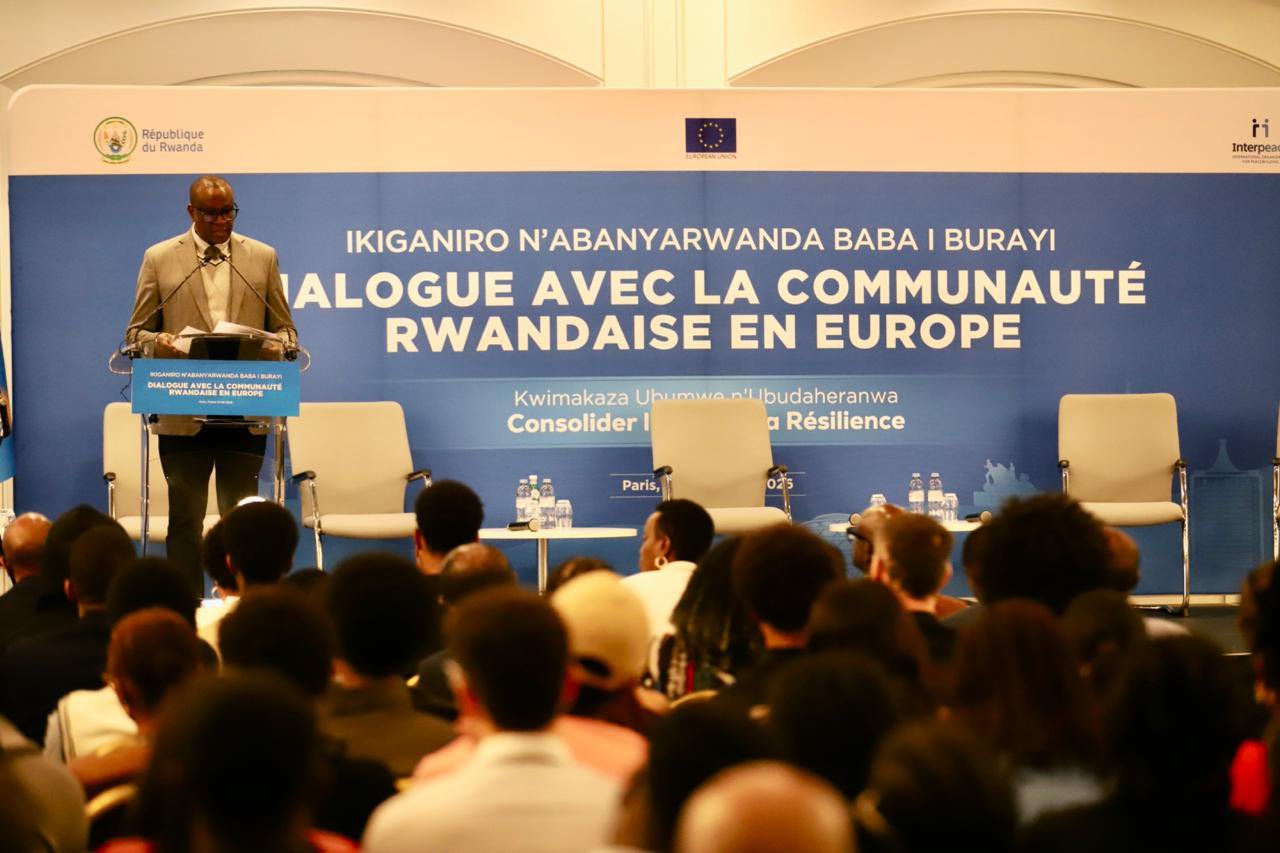
“Genocide Guilt Is Personal, Not Inherited” - Rwandan Diaspora in Europe Engaged in Dialogue on Unity and Resilience
On 21 February 2026, the Ministry of National Unity and Civic Engagement (MINUBUMWE) convened an unprecedented dialogue with Rwandans living in…
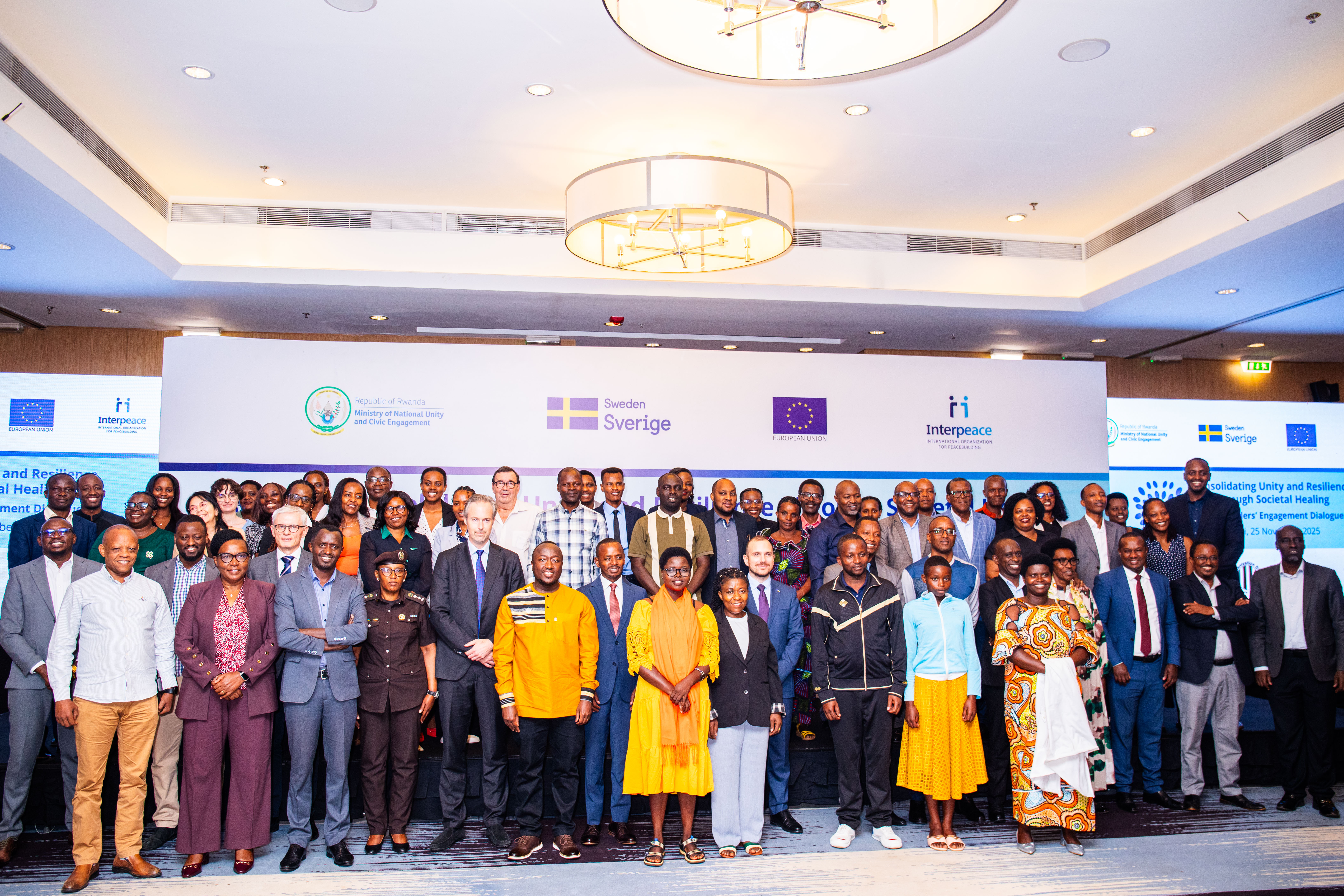
Reflecting on achievements of the “Reinforcing Community Capacity for Social Cohesion and Reconciliation through Societal Healing” program
On 25 November 2025, Permanent Secretary Eric Mahoro joined stakeholders to reflect on the results of the “Reinforcing Community Capacity for Social…
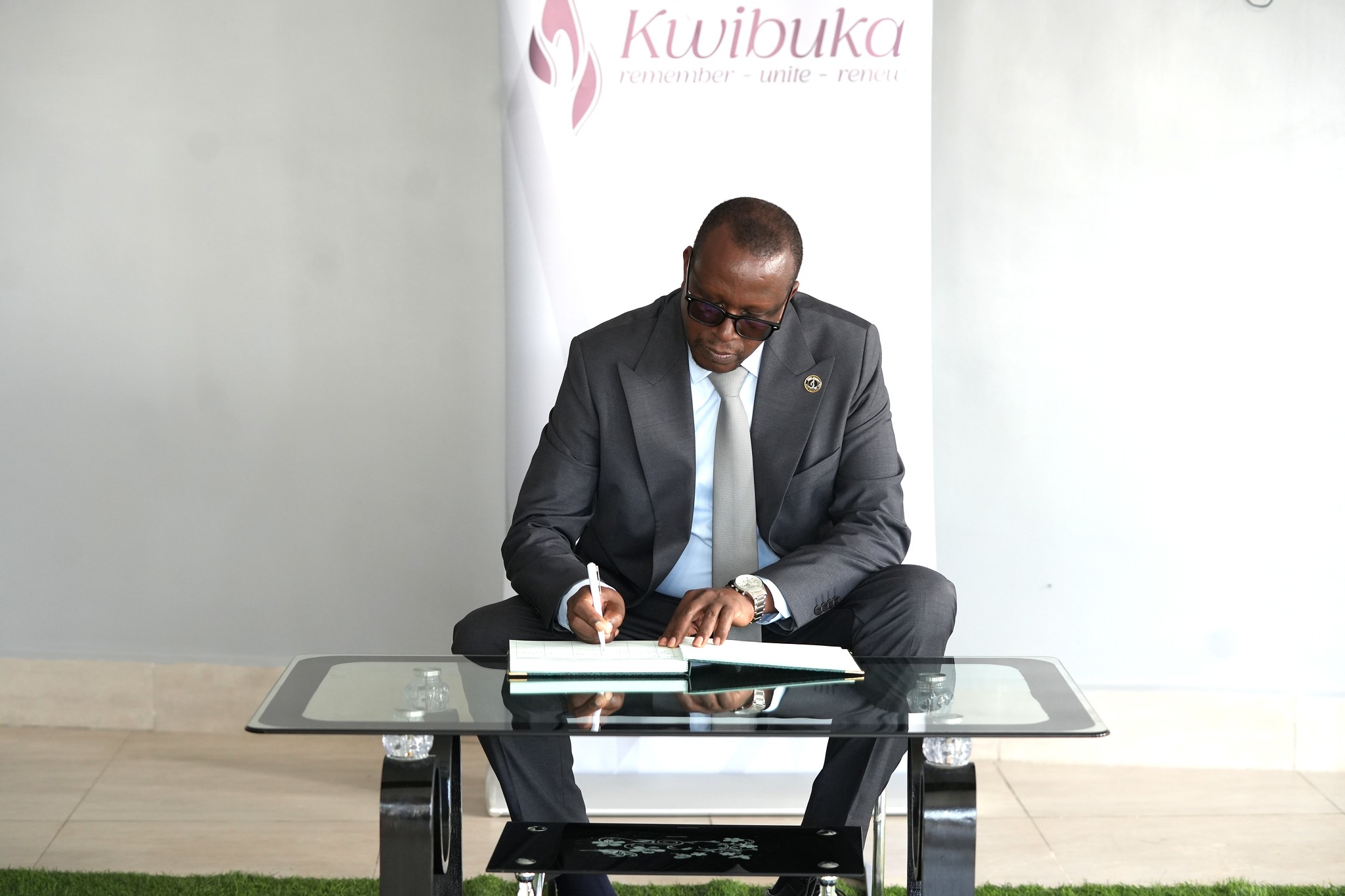
Bigogwe yabaye indiri y’itegurwa rya Jenoside yakorewe Abatutsi – Min. Dr Bizimana
Ku wa 18 Gicurasi 2025, Minisitiri Dr Bizimana Jean Damascene yifatanyije n’abaturage b’Uturere twa Nyabihu na Rubavu mu Kwibuka ku nshuro ya 31…

Umugambi wa Jenoside yakorewe Abatutsi watangiye mu 1990 – Min. Dr Bizimana
Ku wa 17 Gicurasi 2025, Minisitiri Dr Bizimana Jean Damascene n’abandi bayobozi, bifatanyije n’abaturage b’Akarere ka Rulindo, mu gikorwa cyo Kwibuka…
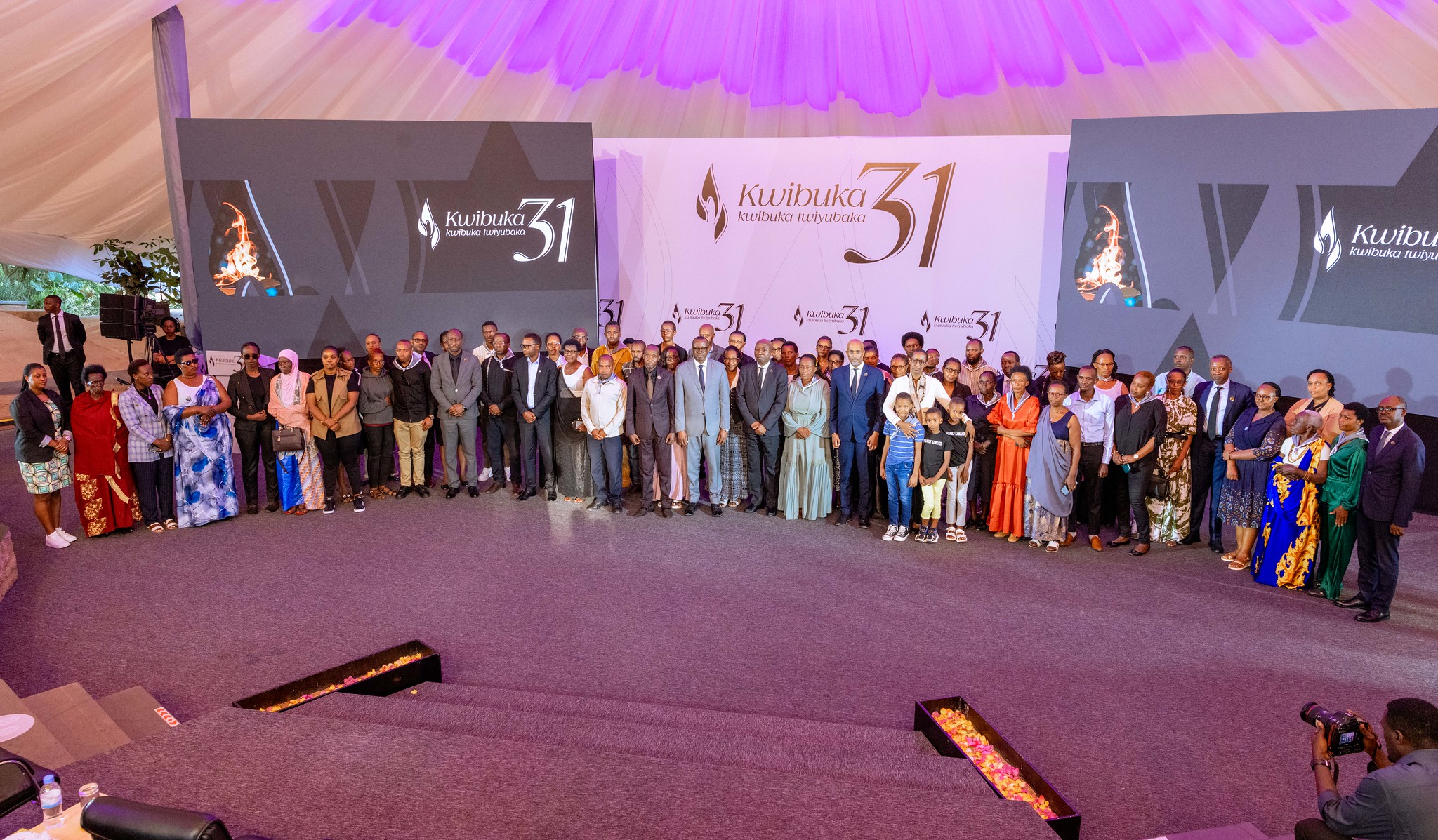
Ntidukwiye kugira abana imbata y'amateka mabi twanyuzemo tubahisha ukuri – Min. Dr Bizimana
Ku wa 15 Gicurasi 2025, Minisitiri Dr Bizimana Jean Damascene yitabiriye igikorwa cyo Kwibuka ku nshuro ya 31 Jenoside yakorewe Abatutsi cyateguwe…

Amahoro dukesha Inkotanyi tuyasigasire – Min. Dr Bizimana
Ku wa 3 Gicurasi 2025, Minisitiri Dr Bizimana Jean Damascene n’abandi bayobozi, bifatanyije n’abaturage b’Akarere ka Nyamagabe mu Kwibuka ku nshuro ya…
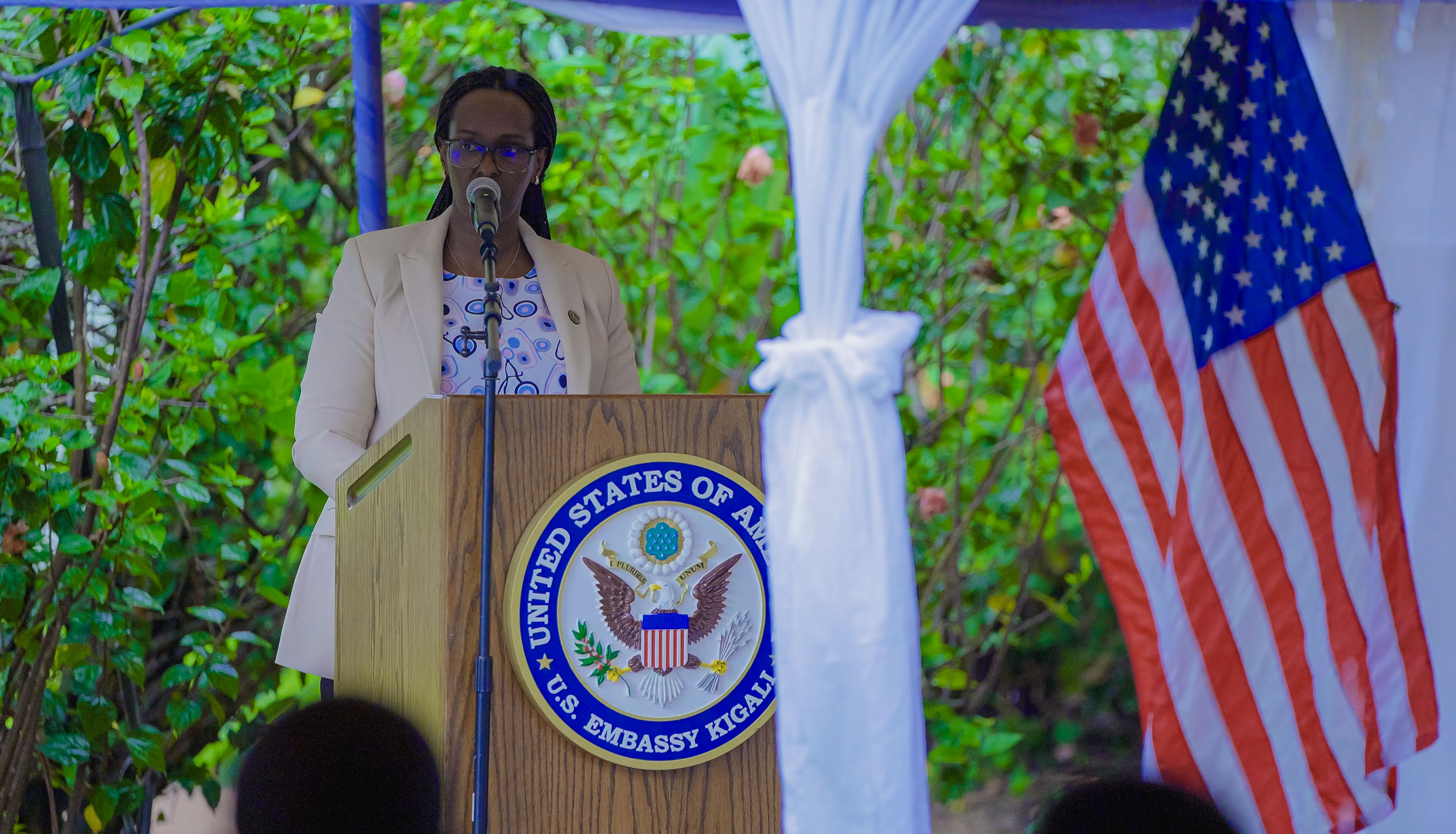
Kwibuka 31: Ingabire Warns of Rising Genocide Ideology at U.S. Embassy Event
The Executive Director of the Memory and Genocide Prevention Department, Veneranda Ingabire, delivered a keynote address at the 31st commemoration of…
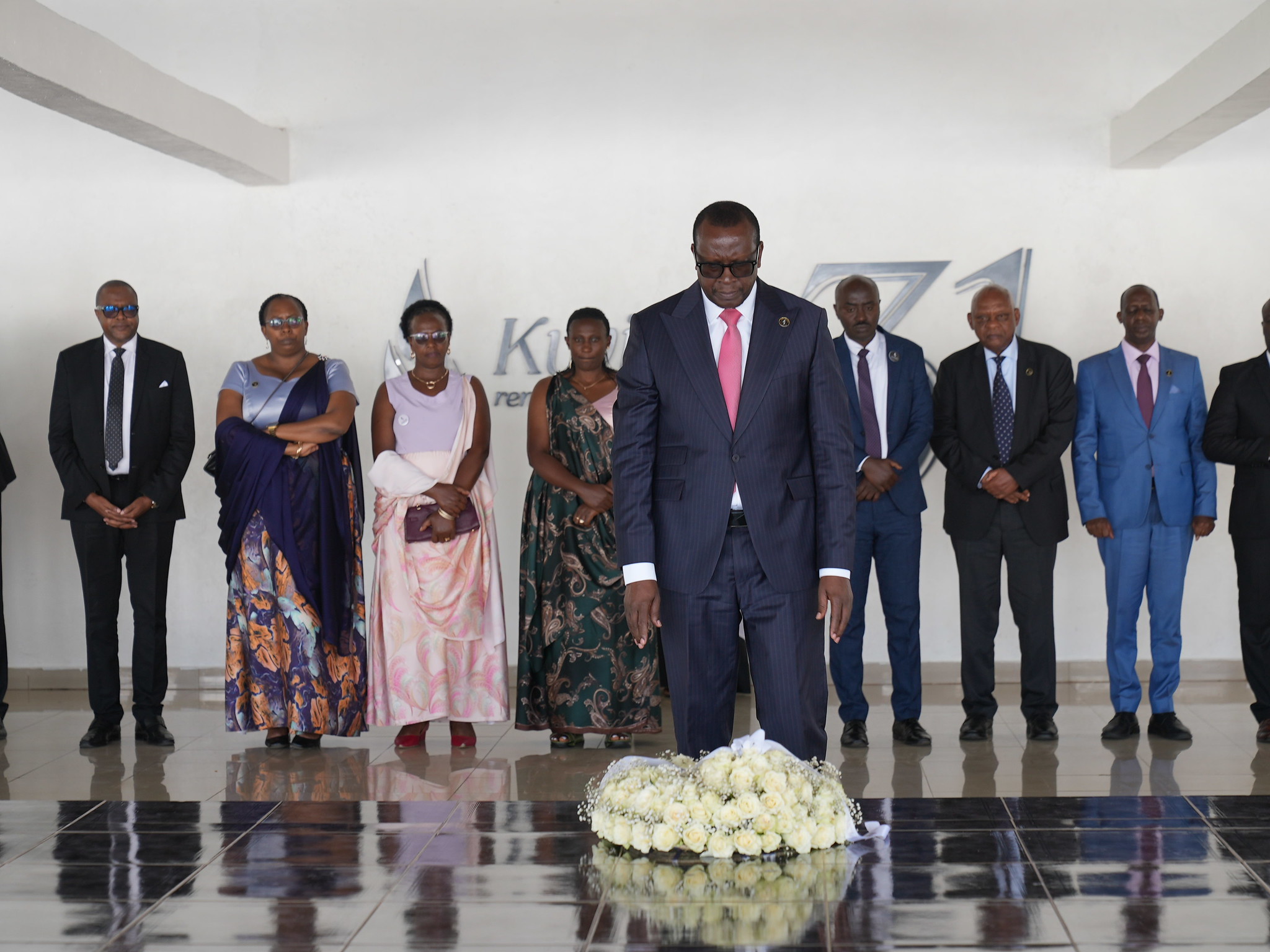
Habyarimana Juvenal yatangiye gutoteza Abatutsi mu 1965 – Min. Dr Bizimana
Ku wa 27 Mata 2025, Minisitiri Dr Bizimana Jean Damascene yifatanyije n’abaturage b’Akarere ka Nyanza mu Kwibuka ku nshuro ya 31 Jenoside yakorewe…