Over 260 genocide convicts complete unity and resilience training ahead of reintegration
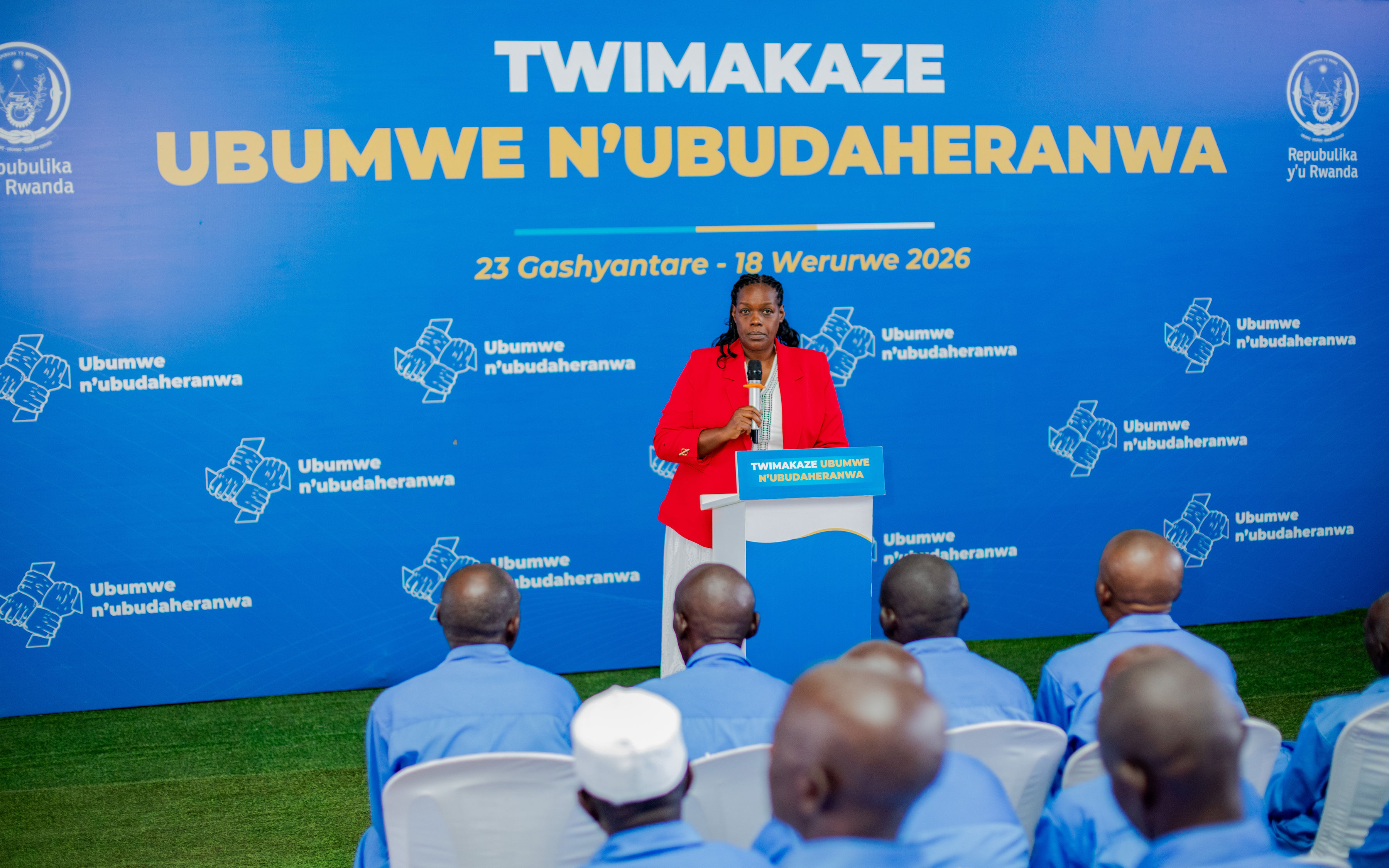
A total of 266 inmates convicted of crimes related to the 1994 Genocide against the Tutsi, including 101 women, have successfully completed a unity and resilience programme designed to prepare them for reintegration into society upon completion of their sentences.
Many of the participants have served prison terms ranging between 10 and 30 years. This cohort represents the seventh group to complete the programme since its launch in March 2025.
 The reintegration programme focuses on promoting national unity and community resilience, accountability, and peaceful coexistence. It equips participants with the knowledge and skills necessary to facilitate their smooth return to their respective communities while contributing positively to social cohesion.
The completion ceremony took place on Wednesday, March 18, 2026, at Nyamagabe Correctional Facility. During the event, officials underscored the importance of rejecting genocide ideology and upholding values that promote unity and reconciliation.
The programme is implemented by the Ministry of National Unity and Civic Engagement (MINUBUMWE) in partnership with the Rwanda Correctional Service (RCS). It specifically targets inmates who are six months or less away from completing their sentences, with the objective of preventing relapse into divisive behaviours and strengthening long-term community resilience.
 Speaking at the event, Ms. Marie Alice Kayumba Uwera, Executive Director in Charge of National Unity and Community Resilience, highlighted the importance of preparing participants for harmonious coexistence within their communities.
She noted that some former inmates may face challenges in rebuilding relationships, particularly with survivors’ families, or may risk reverting to harmful behaviours if not adequately supported. She emphasised that the training programme is designed to mitigate such risks and facilitate constructive reintegration.

Ms. Kayumba further observed that many participants have spent decades in incarceration and are returning to a country that has undergone significant socio-economic transformation. She cautioned that without proper preparation, even minor misunderstandings could escalate into conflict.

The training methodology combines interactive sessions, guided discussions, audiovisual materials, and testimonies, enabling participants to address trauma, rebuild relationships, and actively engage in peacebuilding efforts.
Promoting accountability and national unity
A key component of the programme is the emphasis on truth-telling and accountability as foundational elements of reconciliation. The Honourable Minister of National Unity and Civic Engagement, Dr. Jean-Damascène Bizimana, has consistently stressed the importance of acknowledging past crimes committed during the Genocide against the Tutsi as a pathway to both individual transformation and national healing.

Accepting responsibility and seeking forgiveness, he has noted in a previous training, are critical steps towards rebuilding trust and fostering responsible citizenship.
Chief Superintendent Olive Mukantabana, Commissioner in Charge of Correctional Services, also highlighted the challenges associated with reintegration after prolonged incarceration. She commended participants for their commitment to returning to society as reformed individuals ready to contribute positively to their communities.
At the local level, Mr. Thadée Habimana, Vice Mayor in Charge of Economic Development in Nyamagabe District, described the programme as a reflection of inclusive governance. He emphasised that no citizen is left behind, and encouraged participants to actively seek forgiveness and refrain from any actions that may undermine unity.

Participants reaffirm commitment to unity
Participants who completed the programme expressed their commitment to rejecting genocide ideology, rebuilding trust with survivors, and contributing to national development.
They acknowledged that genocide ideology played a central role in their past actions and reaffirmed their resolve to uphold values that promote unity and reconciliation moving forward.
The training, which commenced on February 23, 2026, also provided practical guidance on family reintegration, conflict resolution, and participation in national development initiatives.
 Such programmes are essential in ensuring successful reintegration while advancing Rwanda’s broader objectives of national unity, reconciliation, and sustainable peace.
As Rwanda continues to consolidate its post-genocide recovery, initiatives of this nature play a critical role in transforming former offenders into responsible citizens and active contributors to a united and resilient nation.

Amadini ahishira abakoze Jenoside yaburiwe, ADEPR ishimirwa kwambura ubushumba abayigizemo uruhare
Minisitiri Dr Bizimana Jean Damascène yanenze amadini n’amatorero ahishira abagize uruhare muri Jenoside yakorewe Abatutsi mu 1994, ashimira Itorero…

Over 500 Genocide Convicts Begin Reintegration Training Ahead of Release
A total of 526 inmates convicted of crimes related to the 1994 Genocide against the Tutsi have begun a reintegration training programme to prepare…

Minister Bizimana urges ADEPR pastors to promote unity and resilience
The Minister of National Unity and Civic Engagement, Dr Jean-Damascène Bizimana, has urged senior pastors of the ADEPR Church to uphold leadership…
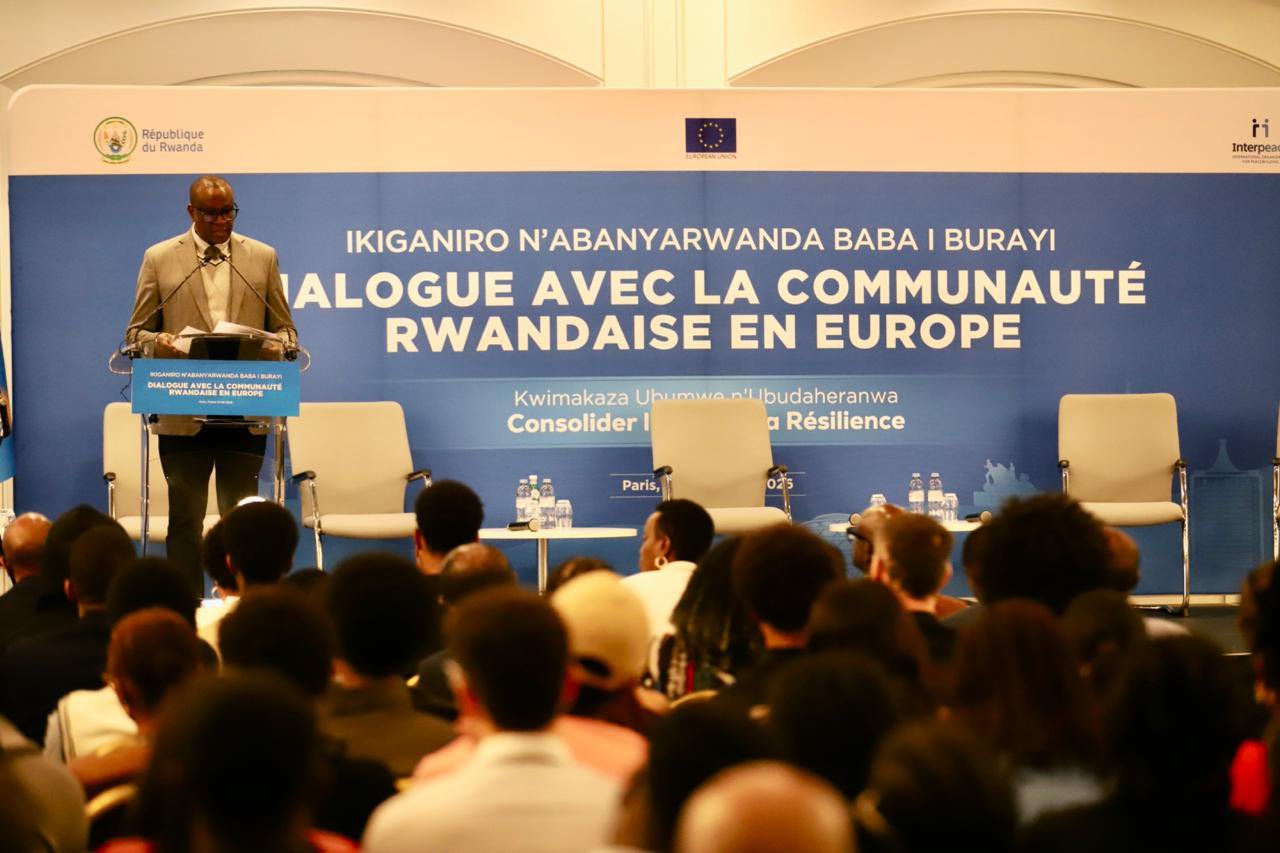
“Genocide Guilt Is Personal, Not Inherited” - Rwandan Diaspora in Europe Engaged in Dialogue on Unity and Resilience
On 21 February 2026, the Ministry of National Unity and Civic Engagement (MINUBUMWE) convened an unprecedented dialogue with Rwandans living in…
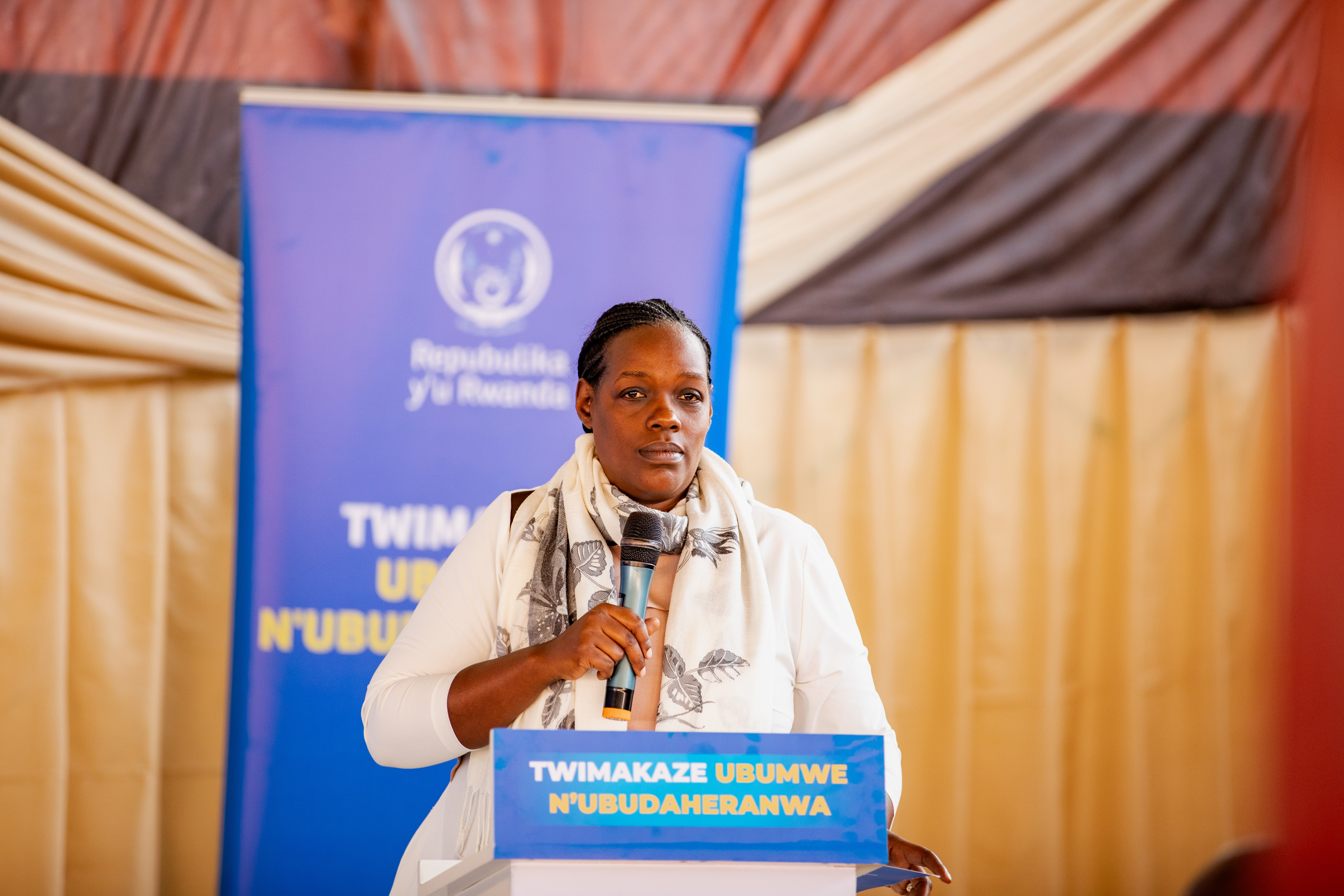
Genocide convicts urged to shun divisionism, embrace gender equality ahead of release
A total of 262 convicts of the 1994 Genocide against the Tutsi who are nearing completion of their sentences are undergoing a reintegration training…
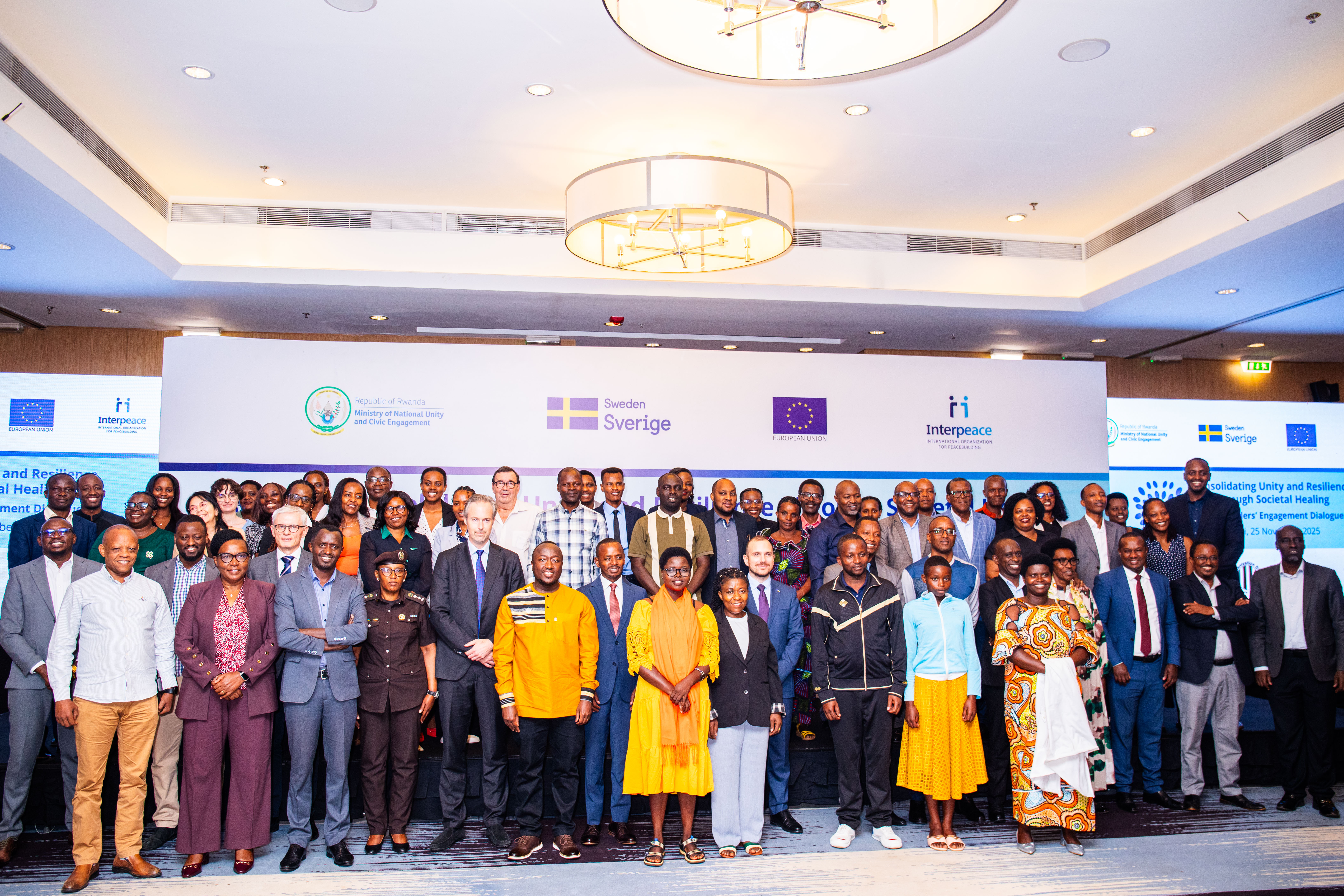
Reflecting on achievements of the “Reinforcing Community Capacity for Social Cohesion and Reconciliation through Societal Healing” program
On 25 November 2025, Permanent Secretary Eric Mahoro joined stakeholders to reflect on the results of the “Reinforcing Community Capacity for Social…
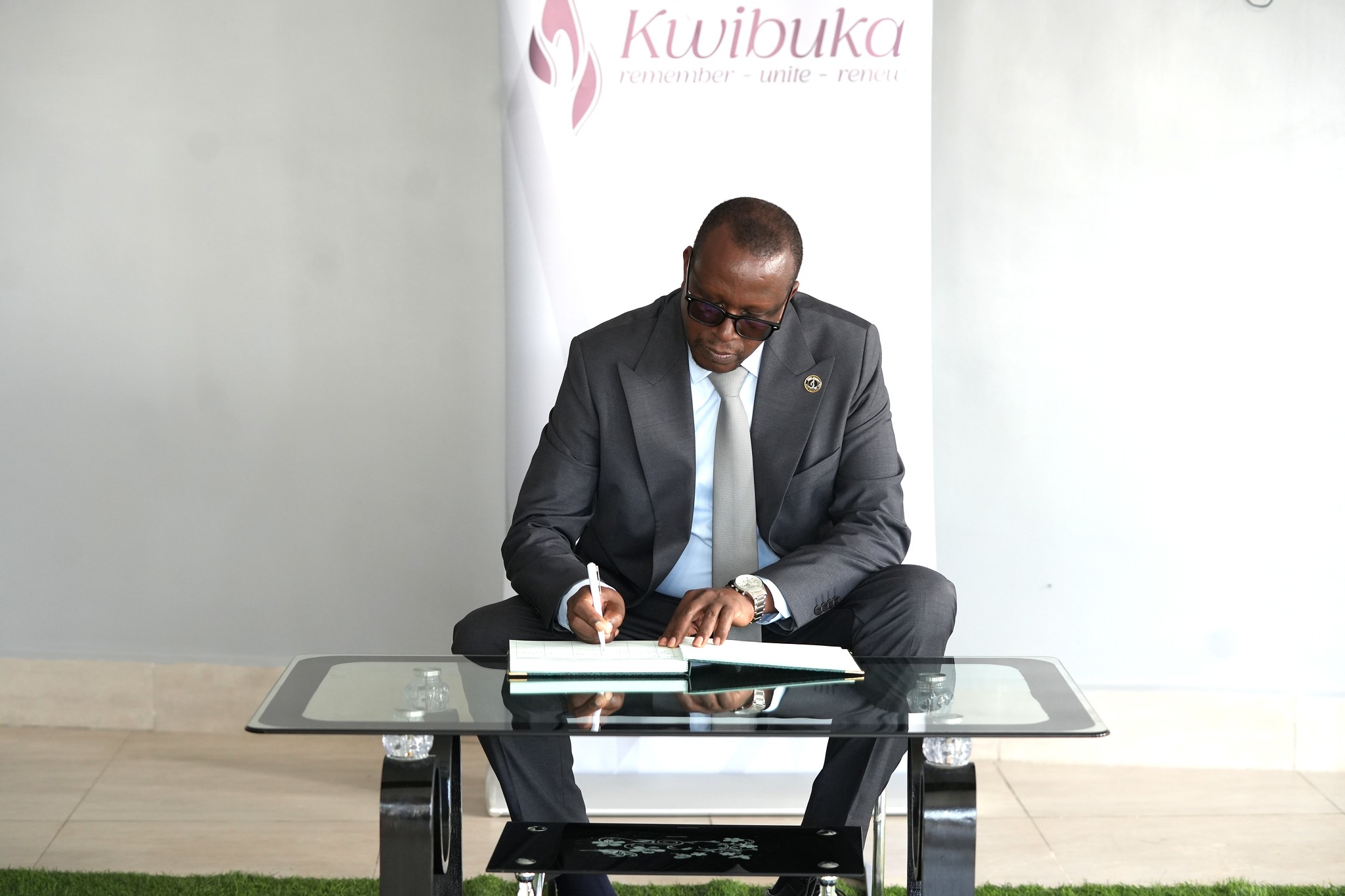
Bigogwe yabaye indiri y’itegurwa rya Jenoside yakorewe Abatutsi – Min. Dr Bizimana
Ku wa 18 Gicurasi 2025, Minisitiri Dr Bizimana Jean Damascene yifatanyije n’abaturage b’Uturere twa Nyabihu na Rubavu mu Kwibuka ku nshuro ya 31…

Umugambi wa Jenoside yakorewe Abatutsi watangiye mu 1990 – Min. Dr Bizimana
Ku wa 17 Gicurasi 2025, Minisitiri Dr Bizimana Jean Damascene n’abandi bayobozi, bifatanyije n’abaturage b’Akarere ka Rulindo, mu gikorwa cyo Kwibuka…
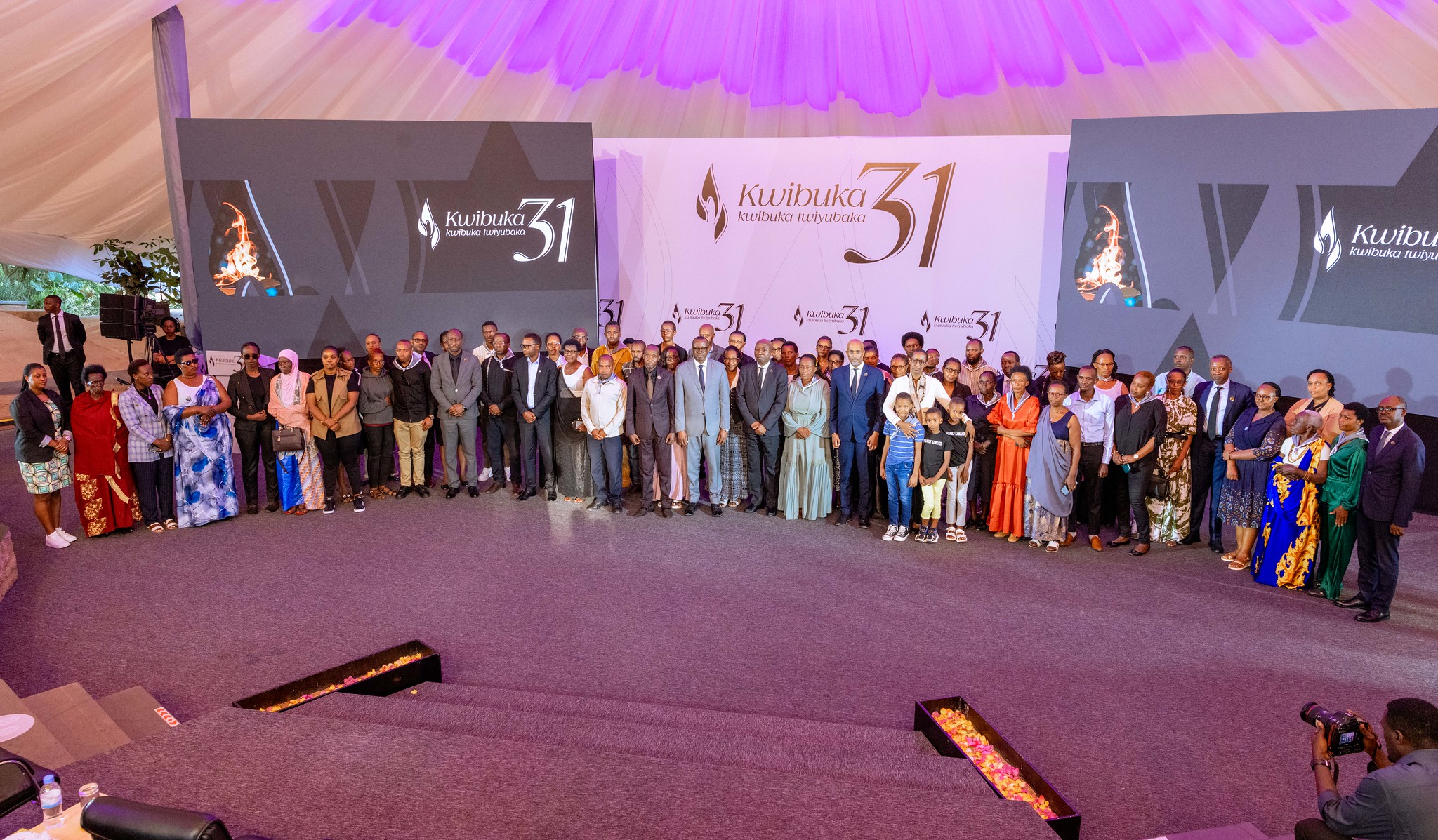
Ntidukwiye kugira abana imbata y'amateka mabi twanyuzemo tubahisha ukuri – Min. Dr Bizimana
Ku wa 15 Gicurasi 2025, Minisitiri Dr Bizimana Jean Damascene yitabiriye igikorwa cyo Kwibuka ku nshuro ya 31 Jenoside yakorewe Abatutsi cyateguwe…